Build a Strong Foundation with Basic Yoga Teacher Training
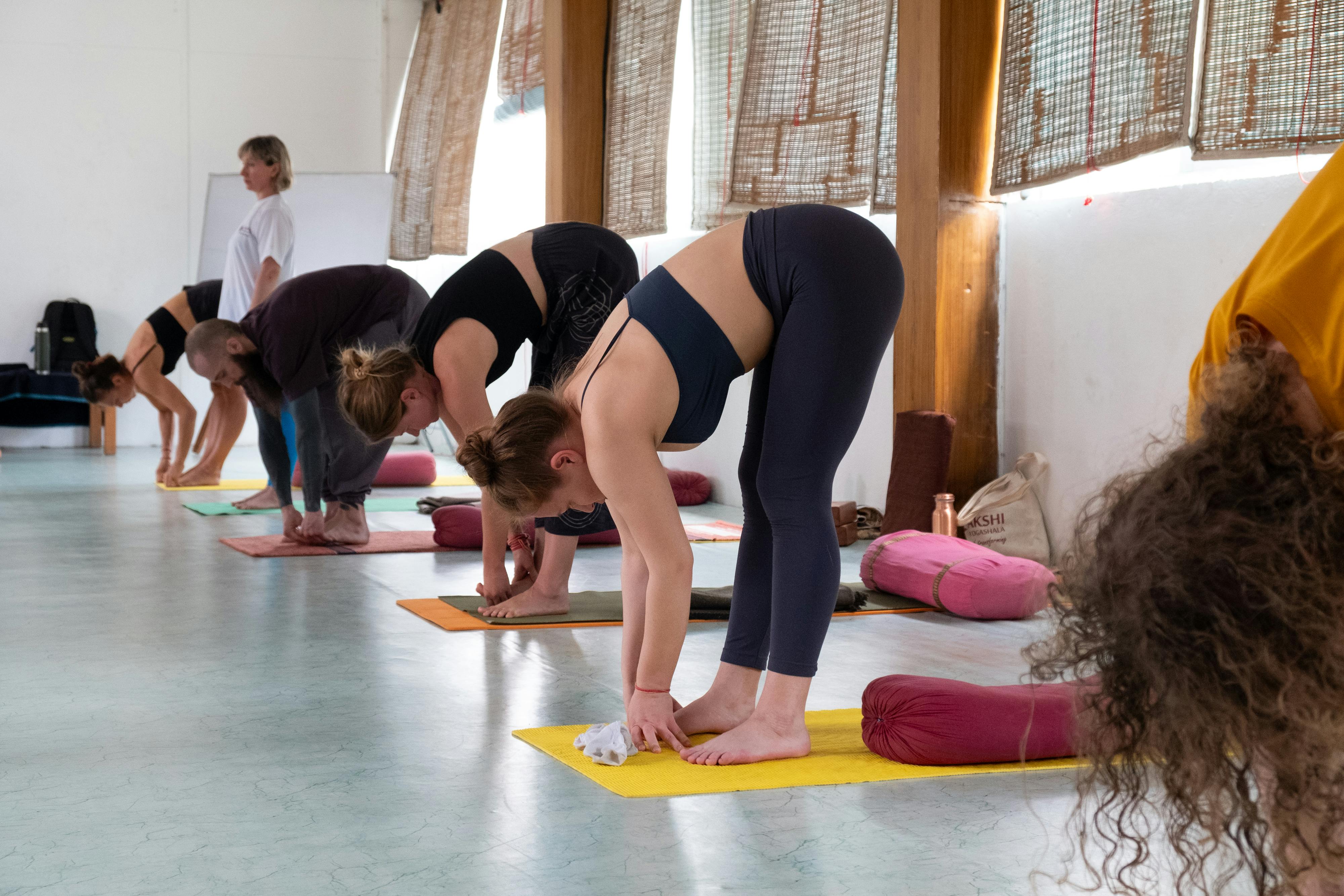
Embarking on a journey to become a yoga teacher is both a rewarding and transformative experience. A strong foundation is essential for anyone aspiring to share the art and science of yoga with others. Basic Yoga Teacher Training provides this essential groundwork, paving the way for a deeper understanding of yoga philosophy, enhanced personal practice, and the confidence to lead classes. This article explores the importance of basic yoga teacher training, highlighting key areas of focus and the benefits of a solid educational foundation in yoga.
The Importance of Basic Yoga Teacher Training
Basic Yoga Teacher Training is crucial in cultivating the knowledge and skills necessary for effective teaching. It equips aspiring teachers with the tools needed to foster a safe and nurturing environment for their students. Here are some key reasons why foundational training is indispensable:
- Comprehensive Understanding: Fundamental training provides a broad overview of yoga’s various styles, helping trainees understand different approaches and techniques.
- Safety and Alignment: Proper instruction on alignment and anatomy ensures that teachers can guide students safely, preventing injuries and promoting sustainable practice.
- Philosophy and Ethics: A strong foundation includes a study of yoga philosophy and ethics, fostering a deeper connection to the practice and its principles.
For those interested in deepening their understanding of yoga, discover expert strategies here.
Core Components of Basic Teacher Training
Yoga Asanas and Alignment
The practice of asanas, or postures, is a cornerstone of yoga training. Trainees learn to perform and teach various postures with an emphasis on alignment and safety. Understanding the mechanics of each posture allows teachers to provide modifications and variations suitable for different levels of students.
Pranayama and Meditation
Breath control and meditation are integral to yoga practice. Basic training introduces different pranayama techniques, teaching aspiring instructors how to integrate breathwork into their classes effectively. Meditation techniques are also explored, offering a holistic approach to mental well-being.
Anatomy and Physiology
A fundamental understanding of anatomy and physiology is necessary to teach yoga safely. Training programs cover the human body?s primary systems, emphasizing how they relate to yoga practice. This knowledge helps instructors address individual needs and adapt classes accordingly.
Teaching Methodology
Effective teaching requires more than just knowledge of yoga postures. Basic training includes instruction on class planning, cueing, and creating a supportive environment for students. Aspiring teachers also learn how to manage different class dynamics and handle common challenges.
To learn about tailored solutions for teaching methodologies, learn about our tailored solutions.
Benefits of a Solid Foundation in Yoga Training
Completing a basic yoga teacher training program offers numerous advantages, both professionally and personally. These benefits include:
- Enhanced Personal Practice: A deeper understanding of yoga improves personal practice, leading to greater physical and mental well-being.
- Confidence in Teaching: Comprehensive training boosts confidence, enabling teachers to lead classes with authority and empathy.
- Community and Networking: Training programs offer opportunities to connect with like-minded individuals, fostering a sense of community and support.
The path to becoming a yoga instructor is a journey of self-discovery and growth. To explore advanced guides and tips on enhancing this journey, explore advanced guides and tips.
Conclusion
A strong foundation in basic yoga teacher training is invaluable for anyone seeking to teach yoga. It lays the groundwork for a successful and fulfilling career, providing the knowledge and skills necessary to inspire and guide students. As the popularity of yoga continues to grow, the demand for well-trained instructors will only increase. For those ready to take the first step, find out more about this approach and embark on a transformative journey that benefits both the teacher and their future students.
