Get the Job Done Right with an Amphibious Excavator
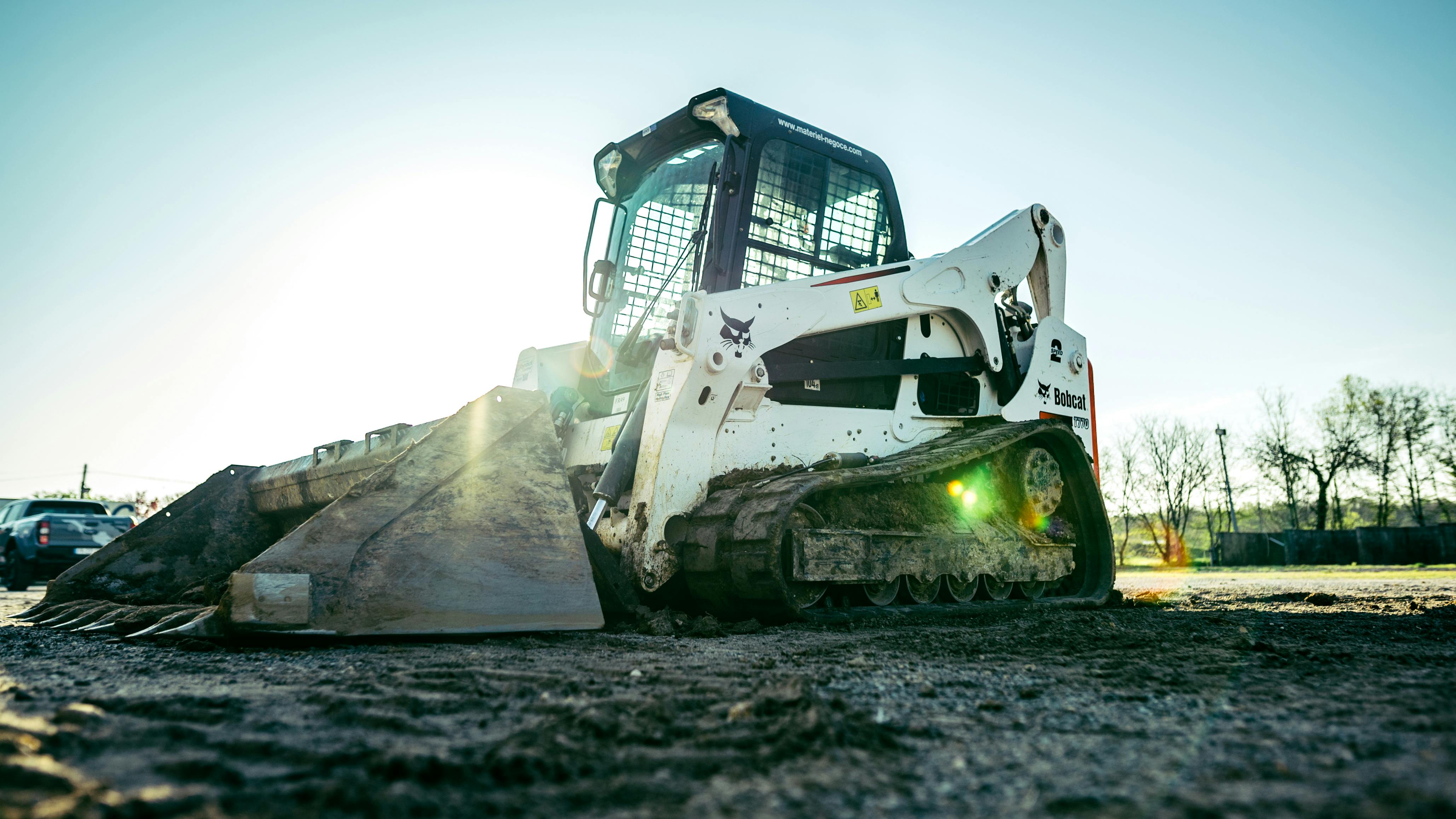
When it comes to tackling challenging environments that combine both land and water, few pieces of machinery are as effective as the amphibious excavator. These specialized machines are engineered to operate seamlessly in wetlands, marshes, and shallow water areas, offering unparalleled versatility and efficiency. As industries expand into more complex terrains, the demand for specialized equipment like amphibious excavators continues to rise, ensuring projects are not only completed on time but also executed correctly. Understanding the capabilities and applications of these machines can significantly enhance operational efficiency and project outcomes.
Understanding Amphibious Excavators
An amphibious excavator is a type of construction machine designed to float on water and maneuver through marshy areas. These machines are equipped with buoyant pontoons and are often fitted with additional attachments to enhance their functionality in different settings. They are ideal for projects that involve dredging, reclamation, and environmental restoration.
Key Features
Amphibious excavators are characterized by several distinctive features:
- Floating Pontoons: These allow the machine to operate on water, providing stability and buoyancy.
- Adjustable Tracks: Tracks can be extended or retracted to adapt to different terrains.
- Versatile Attachments: From dredging buckets to hydraulic hammers, various attachments can be used to enhance the machine’s functionality.
For more detailed information on how these features can be adapted to specific projects, discover expert strategies here.
Advantages of Using Amphibious Excavators
The advantages of utilizing amphibious excavators are numerous, particularly in environments where traditional equipment may falter.
- Accessibility: Their ability to traverse difficult terrains such as swamps and shallow waters makes them invaluable for certain projects.
- Cost-Effectiveness: By eliminating the need for additional equipment to navigate water and land, project costs can be significantly reduced.
- Environmental Impact: These machines are designed to minimize disruption to natural habitats, making them suitable for ecological restoration projects.
To learn about our tailored solutions for specific environments and project needs, consider exploring specialized resources.
Applications Across Industries
Amphibious excavators are employed across a variety of industries due to their unique capabilities. Some of the common applications include:
- Dredging: Removing sediment from waterways to maintain navigability and prevent flooding.
- Wetland Restoration: Rehabilitating ecosystems by removing invasive species and replanting native flora.
- Construction: Building infrastructure in challenging terrains where conventional equipment cannot operate efficiently.
For an in-depth understanding of these applications, explore advanced guides and tips in our comprehensive resources.
Choosing the Right Amphibious Excavator
Selecting the appropriate excavator for a specific project requires careful consideration of several factors:
- Project Scope: Analyze the scale and requirements to determine the necessary size and type of excavator.
- Terrain Type: Consider the environmental conditions and choose an excavator that can handle those specific challenges.
- Attachment Needs: Identify the attachments required for the job to ensure compatibility and efficiency.
To find out more about this approach and make informed decisions, access expert advice and resources tailored to these considerations.
In conclusion, amphibious excavators represent a pivotal advancement in machinery designed for complex environments. Their versatility and efficiency make them an asset across various industries, ensuring projects are completed right. By understanding their capabilities and applications, industries can better harness this technology to achieve exceptional results.
