Maximizing Efficiency in Inorganic Waste Recycling
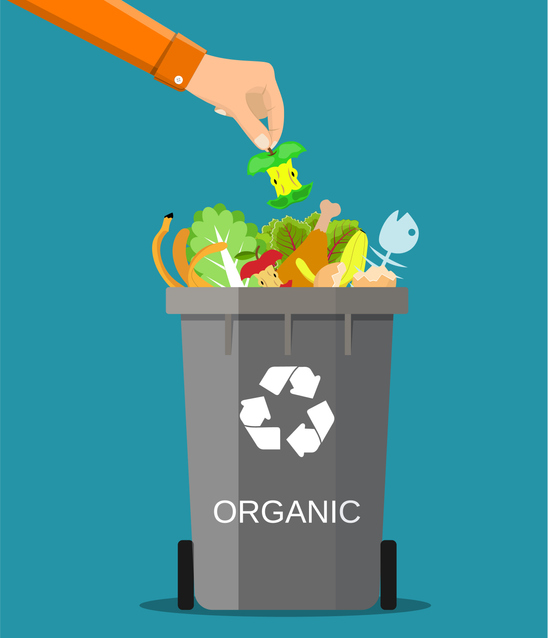
In today’s world, managing inorganic waste efficiently is crucial not only for environmental sustainability but also for economic reasons. As urban spaces expand and industrial activities intensify, the volume of inorganic waste is on the rise. This necessitates the adoption of robust recycling methodologies to mitigate the environmental impact and promote resource conservation. Understanding the various strategies and techniques for maximizing efficiency in inorganic waste recycling is essential for municipalities, businesses, and individuals alike.
Understanding Inorganic Waste
Inorganic waste is typically defined as non-biodegradable materials that include plastics, metals, glass, and certain electronic components. Unlike organic waste, which decomposes naturally, inorganic materials require specific processes for recycling and repurposing.
Common Types of Inorganic Waste
- Plastics: Includes bottles, containers, and packaging materials.
- Metals: Comprises aluminum cans, scrap metal, and electronic components.
- Glass: Bottles, jars, and other glass products.
Strategies for Efficient Inorganic Waste Recycling
Implementing effective recycling strategies involves a combination of technology, policy, and public engagement. Discover expert strategies here.
Technology-Driven Solutions
- Advanced Sorting Systems: Automated systems use AI and robotics to sort waste efficiently, reducing human error and increasing throughput.
- Innovative Recycling Technologies: Employing technologies like pyrolysis and gasification to convert plastic waste into usable energy.
Explore advanced guides and tips on implementing these technologies by visiting this resource.
Policy and Regulation
Governments play a pivotal role in shaping recycling practices through policy and regulation. Effective policies can incentivize recycling and penalize non-compliance.
- Extended Producer Responsibility (EPR): Encourages manufacturers to take responsibility for the entire lifecycle of their products.
- Recycling Mandates: Legal requirements for waste separation at source and mandatory recycling targets.
Learn about our tailored solutions for policy frameworks at this link.
The Role of Community Engagement
Community involvement is essential for the success of any recycling program. Public awareness and participation can significantly enhance recycling rates.
Educational Initiatives
- Workshops and Seminars: Educate the public on the importance of recycling and proper waste segregation techniques.
- School Programs: Foster a culture of recycling from a young age through school curriculums and activities.
Find out more about this approach by visiting this page.
Challenges and Future Directions
While significant strides have been made in inorganic waste recycling, challenges remain, such as contamination of recyclable materials and limited markets for recycled goods. Ongoing research and development are crucial to overcoming these barriers and enhancing recycling efficiency.
Explore the future of waste management and sustainable practices by learning more through this comprehensive guide.
In conclusion, maximizing efficiency in inorganic waste recycling requires a multifaceted approach that combines technology, policy, and public engagement. By leveraging these elements, significant progress can be made towards a more sustainable and environmentally-friendly future.
