Harnessing Renewable Energy: A Guide to Solar System Installation
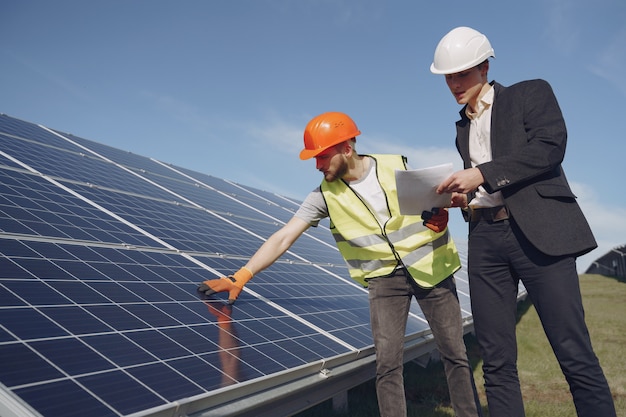
As the world shifts towards sustainable energy solutions, solar power has emerged as a frontrunner in renewable energy adoption. Solar system installation is a pivotal step in harnessing the abundant energy of the sun, offering both economic and environmental benefits. This guide aims to provide a comprehensive overview of solar system installation, covering everything from initial considerations to the final setup, ensuring an efficient transition to solar energy for homes and businesses.
Understanding Solar System Components
Before diving into the installation process, it’s crucial to understand the key components of a solar system. Each part plays a vital role in capturing, converting, and utilizing solar energy.
- Solar Panels: Photovoltaic (PV) panels are responsible for capturing sunlight and converting it into electrical energy.
- Inverters: These devices convert the direct current (DC) generated by solar panels into alternating current (AC) used in homes and businesses.
- Mounting Systems: Secure the panels onto roofs or ground installations, ensuring optimal positioning for maximum sunlight exposure.
- Energy Storage: Batteries store excess energy produced during peak sunlight hours for use during non-sunny periods.
Steps to Successful Solar System Installation
Site Assessment and Planning
A thorough site assessment is the foundation of a successful solar installation. This involves evaluating the available space, roof orientation, and shading from nearby structures. Discover expert strategies here for effective site assessments.
System Design and Sizing
Designing an appropriately sized solar system is crucial for meeting energy needs efficiently. Factors such as energy consumption patterns, local climate, and budget constraints should be considered. Learn about our tailored solutions to optimize system design.
Installation Process
The installation process involves several critical steps:
- Mounting the solar panels securely on the roof or ground.
- Connecting the panels to the inverter and energy storage systems.
- Integrating the system into the existing electrical grid, if applicable.
- Conducting thorough testing to ensure optimal performance.
Professional installation teams ensure compliance with local regulations and safety standards. Explore advanced guides and tips for a seamless installation process.
Financial and Environmental Benefits
Solar systems offer a range of financial benefits, including reduced electricity bills and potential tax incentives. Additionally, adopting solar energy contributes to environmental sustainability by reducing carbon footprints.
- Lower energy costs over time.
- Potential eligibility for government incentives and rebates.
- Significant reduction in greenhouse gas emissions.
Find out more about this approach to maximize financial returns and environmental impact.
Maintenance and Monitoring
Regular maintenance and monitoring are essential to ensure the longevity and efficiency of a solar system. Routine inspections and cleaning help maintain optimal energy production. Advanced monitoring systems provide real-time data on energy generation and consumption.
For insights into effective solar system maintenance, explore advanced guides and tips.
Customer Feedback and Reviews
Feedback from existing customers can provide valuable insights into the reliability and performance of solar systems. Check out customer reviews here to see what others are saying about their solar energy experiences.
Transitioning to solar energy is a significant step towards a sustainable future. By understanding the components, installation process, and benefits, individuals and businesses can make informed decisions. Whether seeking to reduce energy costs or contribute to environmental conservation, solar power offers compelling advantages for all.
