Discover the Taste of Authentic Maryland Crab Cakes
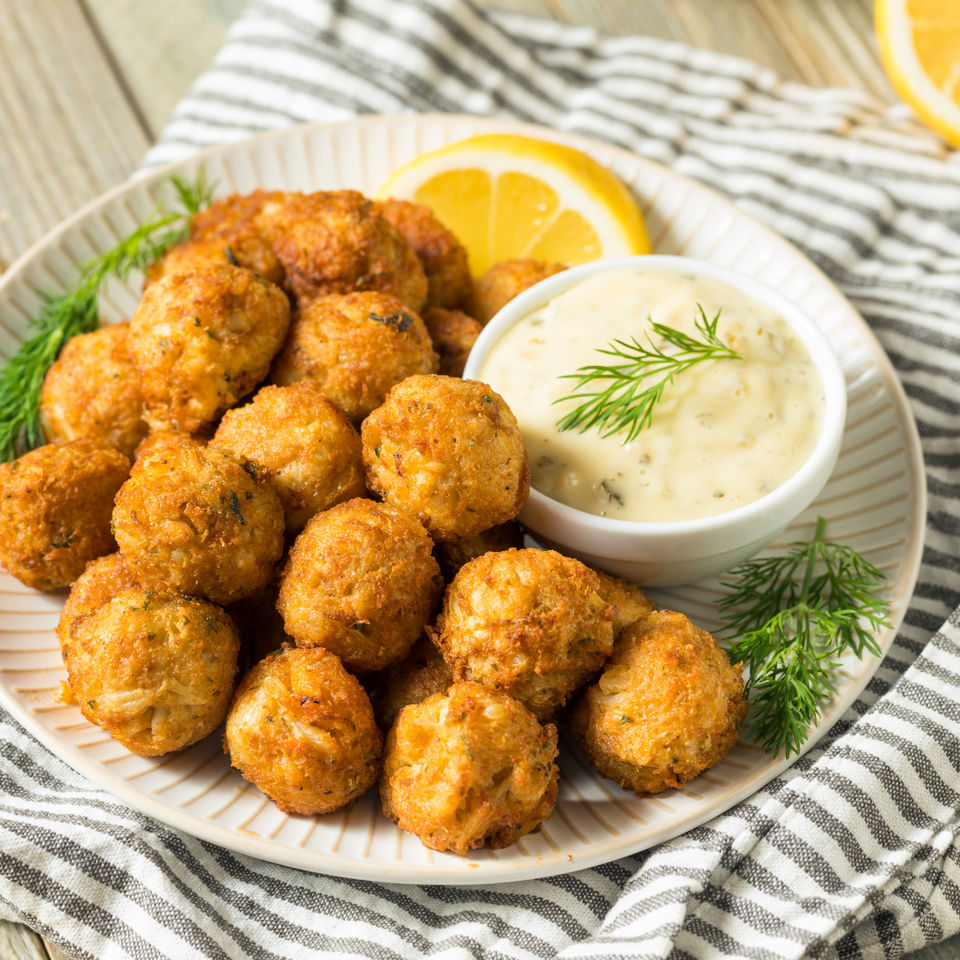
Maryland crab cakes are a time-honored culinary delight, renowned for their rich flavor and delicate texture. These savory patties are a staple of Maryland cuisine, capturing the essence of the Chesapeake Bay’s bounty. For those seeking an authentic taste of Maryland, understanding the nuances of crab cake preparation is key. This article delves into the history, ingredients, and preparation techniques that set Maryland crab cakes apart, providing insights for both seasoned chefs and curious food enthusiasts.
The Origins of Maryland Crab Cakes
The tradition of crab cakes in Maryland dates back centuries, rooted in the region’s rich maritime history. Originally, crab cakes were a practical way to utilize the abundant blue crabs found in the Chesapeake Bay. Over time, the recipe evolved, integrating diverse culinary influences while maintaining its quintessential flavor profile.
Key Ingredients for Authenticity
To achieve the authentic taste of Maryland crab cakes, focus on the following ingredients:
- Fresh Blue Crab Meat: Ideally, use lump or backfin crab meat for the best texture and flavor.
- Mayonnaise: Acts as a binding agent, adding creaminess to the cakes.
- Old Bay Seasoning: A Maryland staple, this seasoning blend adds the signature spice and flavor.
- Dijon Mustard: Provides a subtle tanginess that enhances the crab’s natural sweetness.
- Bread Crumbs: Used sparingly to bind the mixture without overpowering the crab.
- Egg: Helps hold the mixture together during cooking.
- Lemon Juice: Adds a fresh zing, balancing the richness of the crab.
Preparation Techniques for Perfect Crab Cakes
Mixing and Forming
The art of preparing Maryland crab cakes lies in the delicate balance of ingredients. Gently mix the crab meat with the other components, being cautious not to break the lumps. It is crucial to maintain the integrity of the crab meat to achieve the desired texture.
Cooking Methods
There are several methods to cook crab cakes, each offering a unique texture and flavor profile:
- Pan-Frying: A traditional method that results in a crispy exterior. Heat a small amount of oil in a skillet and cook the cakes until golden brown on each side.
- Baking: Offers a healthier alternative. Preheat the oven to 375??F and bake the crab cakes on a greased baking sheet for about 12-15 minutes.
- Broiling: Provides a quick option to achieve a crispy top. Place the cakes under a broiler for 5-7 minutes, watching closely to prevent burning.
For more detailed techniques and variations, explore advanced guides and tips on preparing these delicious treats.
Serving Suggestions
Maryland crab cakes are versatile and can be served in various ways:
- Classic Style: Serve with lemon wedges and tartar sauce for a traditional presentation.
- Sandwich: Nestle the crab cake in a soft roll with lettuce, tomato, and a dollop of remoulade sauce.
- Salad Topper: Place atop a fresh green salad for a light, satisfying meal.
Conclusion
Maryland crab cakes are more than just a dish; they are a cultural emblem that reflects the rich flavors of the Chesapeake Bay. By understanding the origins, selecting the right ingredients, and mastering the preparation techniques, one can truly appreciate the depth of flavor in each bite. For those eager to dive deeper into the art of crafting perfect crab cakes, discover expert strategies here to enhance your culinary skills and savor the authentic taste of Maryland.
