Interior Design Company: Creating Beautiful Spaces
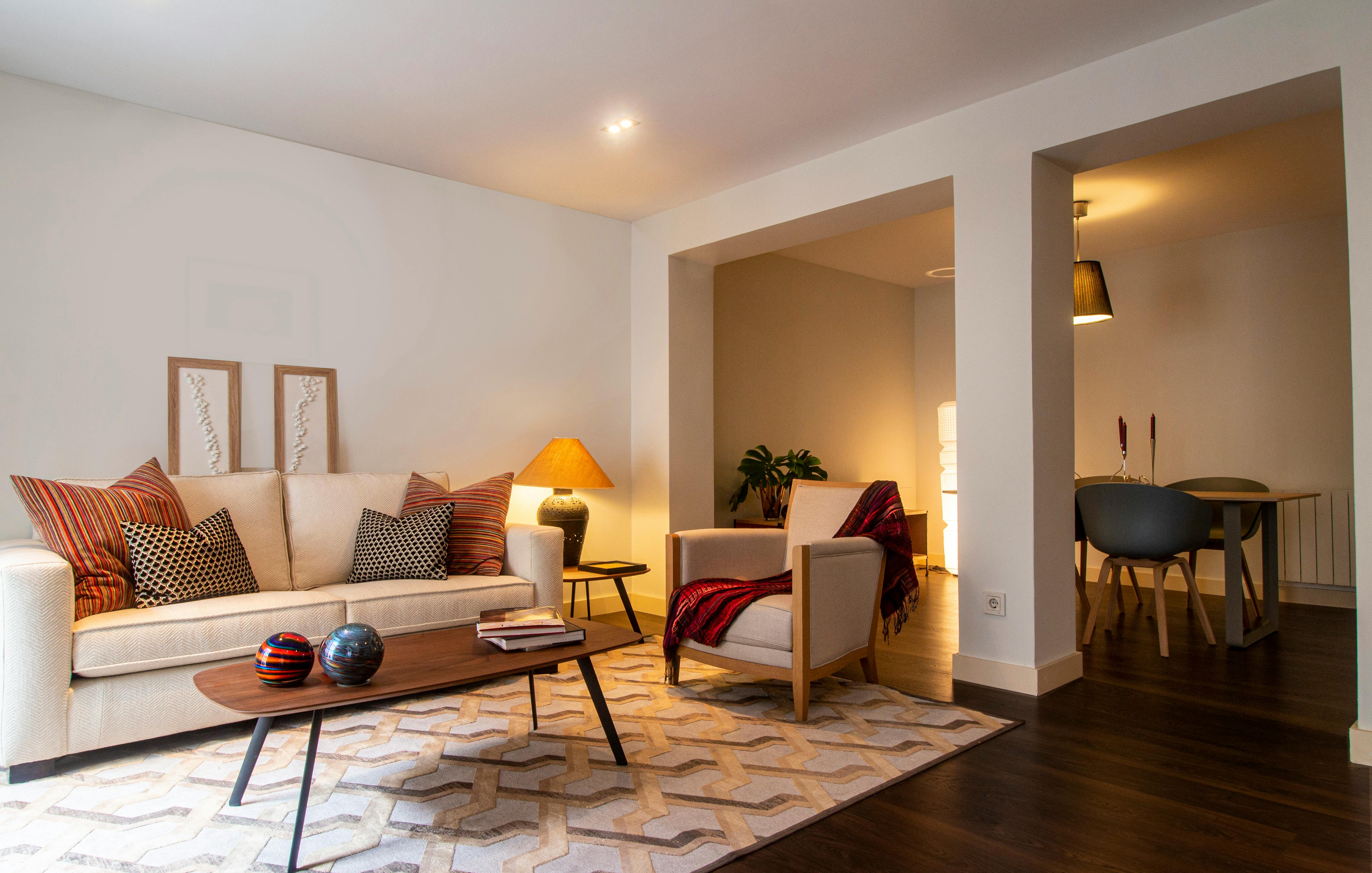
Interior design is more than just arranging furniture or selecting color palettes; it is an art form that combines creativity, architecture, and psychology to enhance the aesthetic and functionality of spaces. As society places increasing emphasis on the quality and comfort of living and working environments, the role of interior design has become paramount. The transformation of spaces not only reflects personal taste but also influences mood and productivity. With professional expertise and a deep understanding of design principles, an interior design company can craft spaces that are both beautiful and practical, ensuring that each project aligns with the client’s vision and lifestyle.
Understanding the Client’s Vision
A successful interior design process begins with a comprehensive understanding of the client’s needs and preferences. This involves:
- Conducting thorough consultations to grasp the client’s style and functional requirements.
- Analyzing the space to determine its potential and limitations.
- Collaborating closely with clients to ensure their vision is realized in every detail.
Clients are encouraged to communicate their inspirations, which can range from a specific color scheme to a beloved art piece. By doing so, the designer can tailor solutions that resonate with the client’s personality and aspirations. Discover expert strategies here.
Design Principles and Techniques
Interior design encompasses a variety of principles and techniques that are essential for creating harmonious spaces. These principles include:
- Balance: Achieving equilibrium in a room through the distribution of visual weight.
- Rhythm: Creating patterns and contrasts to guide the observer’s eye through the space.
- Scale and Proportion: Ensuring that elements are in proper relation to each other and the overall space.
- Harmony: Combining different elements to create a cohesive and pleasing environment.
Mastery of these concepts enables designers to craft spaces that are not only aesthetically pleasing but also functionally efficient. For those interested in diving deeper, learn about our tailored solutions.
Materials and Textures
The choice of materials and textures plays a critical role in the outcome of a design project. By selecting the right materials, designers can:
- Enhance the tactile experience of a space.
- Introduce visual interest and depth.
- Ensure durability and practicality.
From luxurious fabrics to sustainable building materials, the options are vast and varied. Designers take into account factors such as sustainability, maintenance, and the intended use of the space when making these choices. Explore advanced guides and tips.
Technology in Interior Design
The integration of technology in interior design has revolutionized the way designers approach projects. Technological advancements allow for:
- 3D visualizations and virtual reality experiences that provide clients with realistic previews of their spaces.
- Smart home integrations that enhance convenience and energy efficiency.
- Software solutions that streamline project management and communication.
By embracing these innovations, designers can offer clients cutting-edge solutions that align with modern lifestyles. Find out more about this approach.
Conclusion
Interior design is a multifaceted discipline that requires a blend of artistic vision, technical knowledge, and practical expertise. By understanding the client’s vision, applying core design principles, choosing appropriate materials, and leveraging technology, a skilled interior design company can transform any space into a beautiful and functional environment. Whether designing a cozy home or an inspiring office, the ultimate goal is to create spaces that reflect the individuality and aspirations of those who inhabit them.
