Pilates Machines Reformer: How to Select the Ideal Reformer Pilates Machine for Home Use
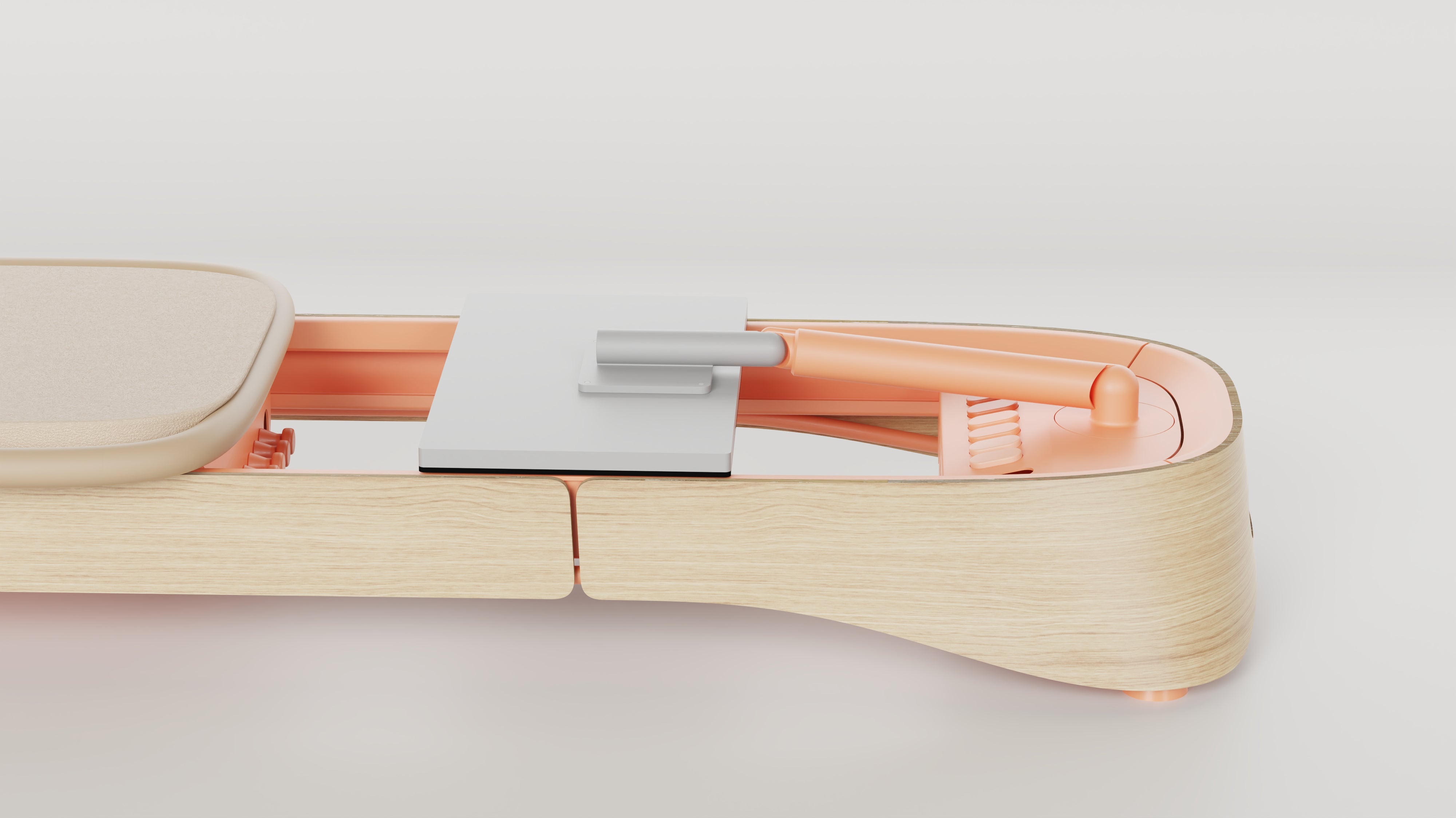
Choosing a Pilates reformer for home use is a decision that blends biomechanics, space planning, and personal fitness goals. A well-chosen reformer can transform a modest living area into a full-body studio, delivering the same precision and resistance training found in commercial facilities. This guide walks through the essential criteria, design, functionality, budget, and durability, so that the final purchase aligns with both practical constraints and long-term health objectives.
Understanding Core Features of a Reformer
Frame Construction and Materials
The frame is the backbone of any pilates reformer. Look for sturdy steel or high-grade aluminum that resists wobble during intense leg work. Wooden options, such as a wooden pilates reformer, add aesthetic warmth but may require more maintenance.
Carriage and Sliding Mechanism
- Roller-based sliders provide a smooth glide and are ideal for users who prefer a classic feel.
- Air-cushion or magnetic sliders reduce noise and are better for apartments.
- Check that the carriage locks securely at multiple positions for safety.
Resistance Systems
Modern reformers offer spring, hydraulic, or digital resistance. Spring systems are reliable and easy to adjust, while hydraulic units deliver finer gradations of tension. For tech-savvy users, a pilates reformer machine with screen integrates workout programs and real-time feedback.
Space Planning and Layout Considerations
Before purchasing, measure the intended area. A standard reformer occupies roughly 6″?ft”???”?3″?ft, but models with fold-away frames can shrink the footprint to as little as 4″?ft”???”?2″?ft.
- Ceiling height: Ensure at least 8″?ft clearance for overhead straps.
- Flooring: Use a non-slip mat or hardwood floor; avoid carpeted surfaces that can impede sliding.
- Access: Verify doorways and hallways can accommodate the reformer’s width.
Evaluating Performance and Versatility
A high-quality reformer pilates machine should support a broad range of exercises, from beginner footwork to advanced acrobatics. Consider these capabilities:
- Adjustable footbars and shoulder rests for customized ergonomics.
- Integrated straps, handles, and a long carriage for full-body engagement.
- Optional accessories such as a tower, ladder, or Pilates chair for expanded programming.
Budget and Value Assessment
Pricing varies widely. Entry-level units may start around price pilates reformer of $1,200, while premium models equipped with a digital console can exceed $4,000. When budgeting, weigh the following:
- Warranty length: A longer warranty signals confidence in durability.
- Spare parts availability: Easy access to springs, sliders, and upholstery prolongs lifespan.
- Resale potential: Well-maintained machines retain value, especially reputable brands like Frame reformer.
Key Questions to Ask Before Buying
- What is the maximum weight capacity? Ensure it exceeds your body weight plus any added resistance.
- Does the reformer include a built-in screen for guided sessions? This is essential for users who prefer reformer pilates with screen options.
- How portable is the unit? Foldable frames are ideal for renters.
- What is the total cost of ownership, including accessories and potential upgrades?
Top Recommendations for Home Use
While specific models are not listed to avoid promotional bias, the market offers several categories that consistently meet the criteria outlined above. Look for a unit described as a best pilates reformer for home or best at home pilates reformer. These descriptors usually indicate a balance of durability, feature set, and price.
Maintenance Tips to Extend Longevity
- Wipe the carriage and rails after each session to prevent dust buildup.
- Inspect springs and hydraulic pistons quarterly; replace any that show signs of fatigue.
- Keep the frame dry and avoid exposure to direct sunlight, which can fade finishes.
Conclusion
Selecting the ideal reformer machine for a home studio involves a blend of practical measurement, feature analysis, and cost evaluation. By prioritizing a solid frame, smooth carriage, adaptable resistance, and a price point that reflects long-term value, the chosen reformer will become a reliable partner in achieving consistent, low-impact strength and flexibility training. Whether the goal is to complement a daily routine or to replace a commercial class, a thoughtfully selected reformer brings the studio experience directly to the living room.
