Frequently Asked Questions About Implants Clark Services
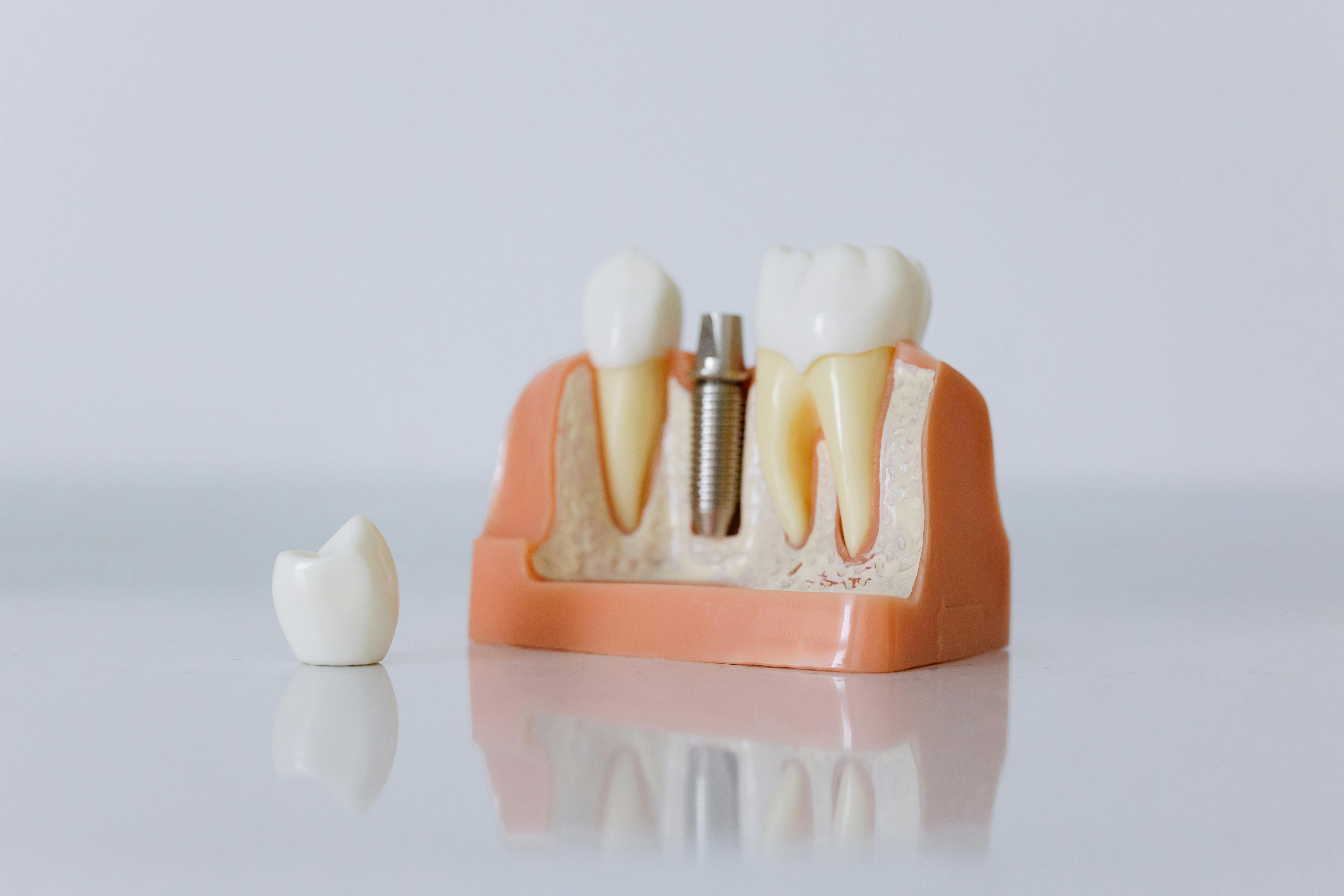
Dental implants have become a cornerstone of modern restorative dentistry, offering a reliable solution for missing teeth that mimics the function and aesthetics of natural dentition. As interest in implant therapy continues to grow, patients often have a series of questions regarding the procedure, after-care, and long-term outcomes. This guide compiles the most frequently asked questions about implants offered by a leading provider in Clark, delivering clear, concise answers that help prospective patients make informed decisions.
What Are Dental Implants and How Do They Work?
Dental implants are titanium or zirconium posts surgically placed into the jawbone, acting as artificial tooth roots. Once integrated with the bone, a process called osseointegration, they provide a stable foundation for crowns, bridges, or dentures.
- Material: Biocompatible metals that fuse with bone tissue.
- Components: Implant fixture, abutment, and prosthetic crown.
- Function: Restores chewing efficiency, speech clarity, and facial support.
Who Is an Ideal Candidate for Implants?
Ideal candidates typically have sufficient bone density, good oral hygiene, and overall health that supports surgical healing. However, many factors influence suitability:
- Age – No strict age limit; bone health matters more.
- Medical conditions – Controlled diabetes or heart disease are generally acceptable.
- Smoking – May affect healing; cessation is recommended.
- Jawbone quality – May require bone grafting if insufficient.
What Does the Implant Process Involve?
The journey from consultation to final restoration usually follows these stages:
1. Initial Consultation
A comprehensive examination, including X-rays or CBCT scans, determines bone volume and treatment planning. This is also the moment to discuss expectations and address concerns.
2. Surgical Placement
The implant fixture is placed under local anesthesia. Depending on case complexity, the procedure may be completed in a single visit or staged over several weeks.
3. Healing Period
Osseointegration typically requires 3-6 months. During this time, a temporary prosthesis may be provided for aesthetics and function.
4. Restoration
Once integration is confirmed, the abutment is attached and the final crown is fabricated, delivering a natural-looking result.
How Does the Provider Ensure Quality and Safety?
Advanced diagnostic imaging, strict sterilization protocols, and a team of board-certified specialists contribute to high success rates. Continuous education on the latest implant systems and techniques further enhances outcomes.
What Are the Common Risks and How Are They Managed?
All surgical procedures carry some risk. Typical concerns include infection, nerve injury, or implant failure. Mitigation strategies involve:
- Pre-operative antibiotic prophylaxis when indicated.
- Precise surgical planning using digital guides.
- Post-operative instructions emphasizing oral hygiene and diet.
Complications are rare, and when they occur, prompt intervention restores health and function.
How Long Do Implants Last?
With proper care, implants can last decades, often outlasting traditional bridges or dentures. Longevity depends on:
- Regular dental check-ups.
- Consistent brushing and flossing.
- Avoidance of excessive forces (e.g., grinding).
Studies show survival rates exceeding 95% over ten years, reflecting the durability of modern implant systems.
What Is the Typical Cost and Are Financing Options Available?
Implant treatment involves several components, surgical fees, prosthetic fabrication, and follow-up care, making cost a variable factor. Many providers offer transparent pricing structures and flexible financing plans to accommodate different budgets. Insurance coverage may apply to the surgical portion, while prosthetic components are often considered elective.
How Does After-Care Influence Success?
Post-operative care is pivotal. Recommended practices include:
- Gentle rinsing with a prescribed antimicrobial mouthwash.
- Soft-diet guidelines for the first 24-48 hours.
- Scheduled follow-up appointments to monitor healing.
Adhering to these guidelines reduces the likelihood of complications and promotes optimal integration.
Where Can More Information Be Found?
For a deeper dive into the specific services offered in the Clark area, explore the dedicated page on implants clark. The site provides detailed explanations of procedural steps, patient testimonials, and a portal to schedule an initial consultation.
Final Thoughts
Dental implants represent a sophisticated, long-term solution for tooth loss, combining functional stability with natural aesthetics. By understanding the process, candidacy criteria, and after-care requirements, patients can approach treatment with confidence. Whether considering a single tooth replacement or a full arch restoration, the expertise available in Clark ensures that each case is handled with precision, safety, and a commitment to lasting oral health.
