Performance Cycling Gloves Comparison: Find Your Perfect Match
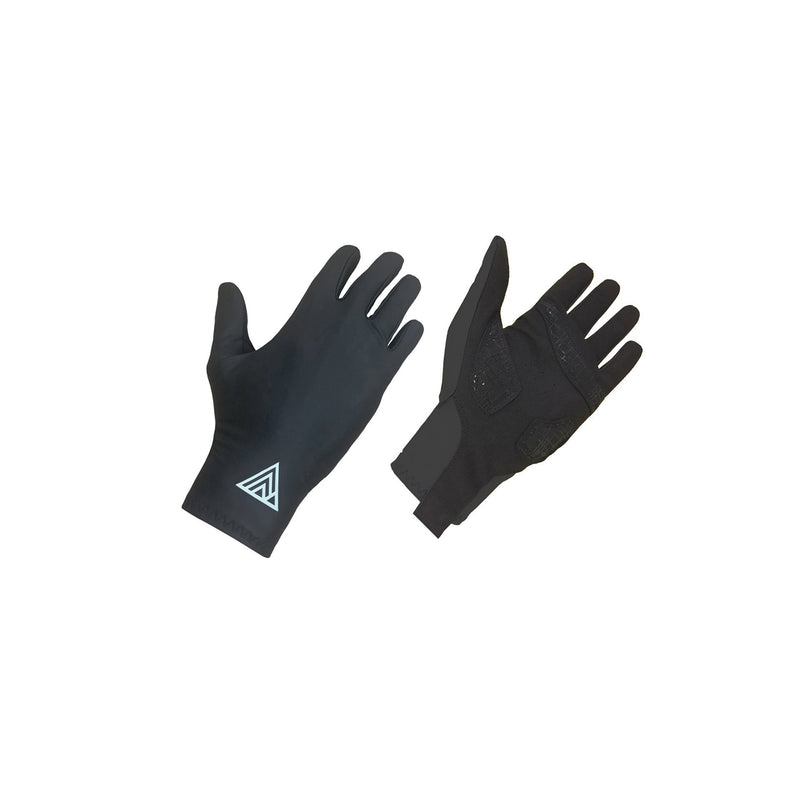
Choosing the right performance cycling gloves can be the difference between a comfortable ride and a painful, distracting experience. With aerodynamic designs, advanced padding technologies, and breathable fabrics, modern gloves cater to a wide range of riding styles, from high-speed road sprints to long-haul endurance events. This comparison breaks down the key features, materials, and fit considerations that help cyclists pinpoint the glove that aligns with their performance goals, while also offering practical buying tips and maintenance advice.
Core Features to Evaluate
1. Aerodynamics and Shape
When speed is a priority, the glove’s silhouette and surface texture play a crucial role. Look for streamlined backs that reduce drag and minimal seams that prevent airflow turbulence.
- Low-profile palm padding that follows the natural curve of the hand.
- Silicone or rubber grip zones that stay secure without adding bulk.
- Mesh or perforated panels that maintain airflow while preserving a tight fit.
2. Padding Technology
Effective padding absorbs road vibrations and reduces hand fatigue without compromising control. The most common options include:
- Dual-density foam: Soft outer layer for comfort, firmer inner layer for impact protection.
- Gel inserts: Excellent for long rides on rough surfaces, providing a “cushion-like” feel.
- Carbon-fiber or TPU plates: Offer precise power transfer for sprinting and time-trial efforts.
3. Material and Breathability
High-performance gloves typically combine synthetic leather, Lycra, and engineered mesh. These fabrics balance durability with moisture-wicking properties, keeping hands dry during intense efforts.
- Water-resistant overlays protect against rain without sacrificing ventilation.
- Antimicrobial treatments help prevent odor buildup on multi-day rides.
- Stretch zones around the fingers enhance flexibility for nuanced bike handling.
Top Performance Gloves Compared
Rule 28 Aero Pro Gloves
Designed for racers who demand minimal drag, the Aero Pro line features a tapered back panel and a seamless construction that hugs the hand.
- Material: 3-layer synthetic leather with micro-mesh interior.
- Padding: Dual-density foam with a carbon-fiber reinforcement strip.
- Fit: Size-specific (S-XL) with a silicone grip strip on the thumb.
For a deeper dive into the technology behind these gloves, Discover expert strategies here.
Rule 28 Endurance Comfort Gloves
Ideal for long-distance cyclists, these gloves prioritize cushioning and temperature regulation.
- Material: Breathable Lycra with a water-repellent overlay.
- Padding: Gel inserts in the palm and thumb area.
- Fit: Adjustable Velcro strap for a personalized fit.
Riders seeking detailed guidance on selecting the right padding can Learn about our tailored solutions.
Rule 28 Sprint Grip Gloves
Built for explosive power output, the Sprint Grip series integrates a thin, high-traction palm that maximizes bike control during short, high-intensity efforts.
- Material: Reinforced synthetic leather with a textured back.
- Padding: Thin TPU plate for direct power transfer.
- Fit: Ergonomic cut with a rubberized thumb loop.
To explore more about how these gloves enhance sprint performance, Explore advanced guides and tips.
How to Choose the Right Pair
- Riding style: Aerodynamic gloves suit time trials and criteriums, while padded models excel on endurance rides.
- Climate: In hot conditions, prioritize breathable fabrics; for rain, look for water-resistant finishes.
- Fit preference: Some cyclists favor a tight, glove-like feel, whereas others need a bit of wiggle room for comfort.
- Budget: High-tech carbon-fiber pads command a premium, but gel-filled options often deliver comparable comfort at a lower price.
Maintenance and Longevity Tips
Proper care extends the life of performance gloves and maintains their grip and padding efficiency.
- Hand-wash with mild soap and cold water; avoid machine cycles that can degrade silicone grips.
- Air-dry away from direct heat sources to preserve material elasticity.
- Inspect padding regularly; replace gloves if the foam becomes compressed or the gel leaks.
- Apply a silicone spray sparingly on the palm if the grip begins to lose traction.
Final Thoughts
Performance cycling gloves are a nuanced investment that blends ergonomics, material science, and rider preference. By assessing aerodynamic shape, padding technology, and breathability, cyclists can match a glove to their specific demands, whether chasing a personal best in a time trial or logging miles on a weekend tour. The selections highlighted above demonstrate how thoughtful design translates into tangible performance gains, while the accompanying buying guides and maintenance advice ensure that the chosen gloves remain effective ride after ride. For a complete catalog and additional specifications, Find out more about this approach.
