Aero Cycling Apparel Guide: Finding the Perfect Fit for Fast Riding
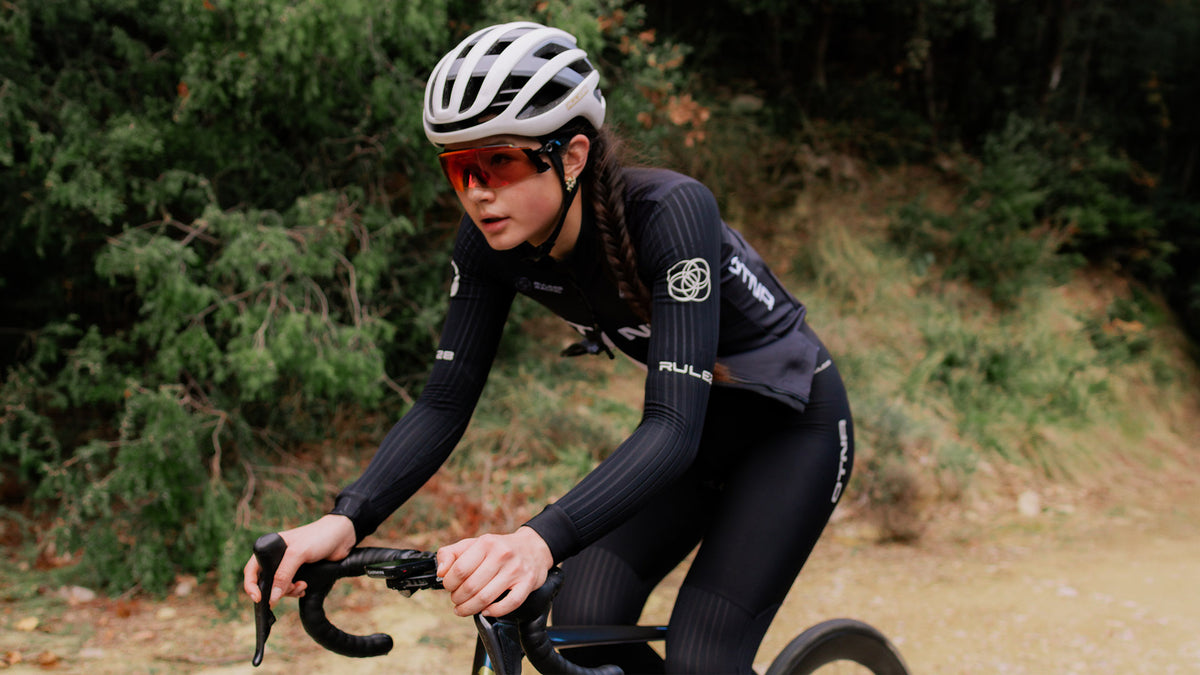
When speed is the primary goal, every gram, every seam, and every aerodynamic contour matters. Selecting the right aero cycling apparel is a blend of science and personal preference, fabric technology, fit geometry, and the subtle art of marginal gains all converge to create a kit that feels like a second skin while shaving precious seconds off a ride. This guide walks through the critical factors to consider, helping riders of all levels pinpoint the perfect balance between performance, comfort, and durability.
Understanding Aerodynamics in Cycling Clothing
Aerodynamic drag accounts for roughly 70-80% of the resistance a cyclist faces at speeds above 20″?km/h. Clothing designed to reduce this drag does so through three main mechanisms:
- Shape control: Tight, tapered silhouettes minimize turbulence.
- Fabric texture: Smooth, low-friction surfaces guide airflow.
- Seam placement: Strategic stitching reduces drag-inducing ridges.
For riders seeking measurable improvements, exploring aero cycling clothing or aerodynamic cycling clothing is a logical first step.
Key Fit Considerations
Torso Length and Compression
The torso should hug the body without restricting breathing. A slightly compressive fit keeps the fabric close to the skin, preventing air pockets that increase drag. Look for:
- Adjustable rear panels that allow fine-tuning of length.
- Flatlock seams that lay flat against the skin.
Leg and Arm Cut
Leg sleeves need a balance between a snug seal at the ankle and enough freedom for pedal stroke. Arm sleeves should sit just above the elbow, providing coverage without limiting steering control.
- Ergonomic leg shaping that follows the natural curve of the calf.
- Pre-curved arm openings that align with the rider’s natural arm position.
Material Technology
Modern fabrics blend lightweight yarns with proprietary coatings to achieve low drag and moisture management. Common technologies include:
- Polypropylene blends: Excellent at wicking sweat while remaining ultra-light.
- Silicone-treated panels: Reduce surface friction for smoother airflow.
- UV-resistant finishes: Preserve fabric integrity during long exposure to sunlight.
When evaluating options, consider pieces marketed as performance cycling apparel because they typically integrate these advanced fibers.
Choosing the Right Kit for Different Scenarios
Road Racing
Race day demands the most aggressive cut. A full aero cycling kit, jacket, bib shorts, and arm/leg sleeves, provides a continuous smooth surface from shoulders to ankles.
Time Trials & Triathlons
Time trialists benefit from a tighter fit that eliminates any “flapping” fabric. Look for a dedicated aero cycling gear set with integrated front panels that streamline the torso.
Training & Warm-up
During long rides, comfort takes precedence. A slightly looser performance cycling clothing line offers adequate aerodynamics while allowing better temperature regulation.
Evaluating Quality and Longevity
Investing in high-quality apparel pays off through durability and sustained performance gains. Assess the following before purchase:
- Stitch density: Higher stitch counts usually indicate stronger seams.
- Fabric abrasion resistance: Essential for riders who frequently ride on rough surfaces.
- Warranty & care instructions: Brands that stand behind their products often provide detailed washing guidelines to preserve aerodynamic properties.
Integrating Apparel with Other Cycling Upgrades
Aero clothing is only one piece of the performance puzzle. Pairing the right kit with other best cycling upgrades, such as deep-section wheels, integrated handlebars, and low-drag helmets, creates a holistic approach to cycling marginal gains. Even small adjustments, like a tighter shoe-cleat alignment, can amplify the benefits of a well-fitted aero kit.
Practical Tips for a Perfect Fit
- Try the kit on while wearing your usual cycling shoes; this reveals any interference at the ankle.
- Check the fit in a riding position, sit on a bike and pedal a few minutes to sense any restriction.
- Take advantage of return policies; a slight size adjustment can make a dramatic difference in comfort and speed.
- Consider layering options: a lightweight, zip-off jacket can transition from cool mornings to warm afternoons without compromising aerodynamics.
Conclusion
Finding the perfect aero cycling apparel is a nuanced process that balances scientific principles with personal comfort. By focusing on fit geometry, advanced fabric technologies, and seamless integration with other performance upgrades, riders can unlock meaningful speed gains without sacrificing ride quality. Whether preparing for a race, a time trial, or a long training session, the right kit, selected thoughtfully from reputable sources of cycling race kit options, will become an indispensable tool in the pursuit of faster, more efficient riding.
