Achieve Your Fitness Goals with Pilates Fitness Training
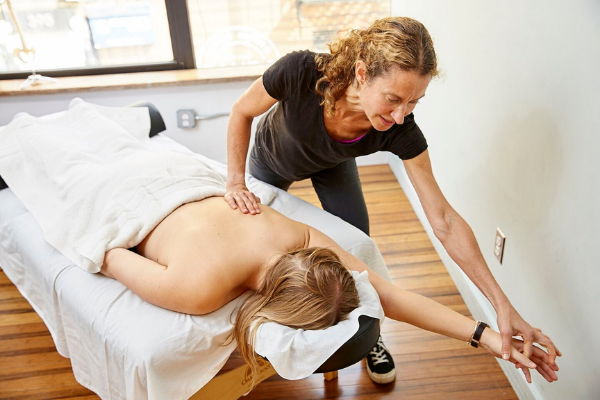
Pilates fitness training is an exceptional way to enhance physical health, improve posture, and increase flexibility. As a holistic approach to fitness, Pilates focuses on developing core strength, balance, and body awareness. With its growing popularity, Pilates offers a versatile workout that can be tailored to meet a variety of fitness goals. Whether you are looking to boost athletic performance, recover from an injury, or simply maintain a healthy lifestyle, Pilates provides a comprehensive fitness solution. For those interested in exploring the benefits of this discipline, numerous resources are available online, including detailed guides and insights on Pilates techniques and practices.
The Core Principles of Pilates
Pilates is built upon a foundation of key principles that guide its practice. Understanding these principles is crucial for anyone looking to achieve their fitness goals through Pilates.
- Concentration: Focus on the mind-body connection is essential. Each movement requires full attention to maximize effectiveness.
- Control: Pilates emphasizes controlled movements, ensuring precision in each exercise.
- Centering: Known as the powerhouse, the core is the focal point for all Pilates exercises.
- Flow: Movements are performed in a smooth, continuous manner to enhance fluidity and grace.
- Breath: Proper breathing techniques are integral, aiding in movement efficiency and relaxation.
- Precision: Each exercise is executed with meticulous attention to detail, maximizing benefits and reducing injury risk.
Benefits of Pilates Fitness Training
Incorporating Pilates into your fitness routine offers numerous advantages, making it a valuable practice for both beginners and seasoned athletes alike.
Enhanced Core Strength
Pilates is renowned for its ability to build strong abdominal muscles, which are crucial for stability and overall body strength. A robust core supports better posture and reduces the likelihood of back pain.
Improved Flexibility and Balance
Through a series of stretching and strengthening exercises, Pilates helps lengthen muscles and improve flexibility. Enhanced balance is another significant benefit, contributing to better coordination and reduced risk of falls.
Injury Prevention and Rehabilitation
Because of its focus on controlled movements and core stability, Pilates is often recommended for injury prevention and rehabilitation. Its low-impact nature makes it suitable for individuals of all fitness levels. Read more about this topic.
Integrating Pilates into Your Routine
To effectively incorporate Pilates into your fitness regimen, consider starting with a professional instructor who can guide you in mastering the basics. Alternatively, numerous online resources provide valuable insights and instructional videos that cater to different skill levels.
Choosing the Right Pilates Class
When selecting a Pilates class, consider the following:
- Class Type: Decide between mat-based classes or equipment-based sessions, such as those using a reformer.
- Instructor Credentials: Ensure the instructor is certified and experienced in teaching Pilates.
- Class Size: Smaller classes often provide more personalized attention, which can be beneficial for beginners.
For further insights into selecting the appropriate Pilates class, explore further insights here.
Conclusion
Pilates fitness training is a versatile and effective way to achieve a wide range of fitness goals. By focusing on core strength, flexibility, and controlled movements, Pilates offers a comprehensive workout that benefits both the mind and body. Whether practiced in a studio or at home, Pilates can be adapted to suit individual needs, making it an accessible and rewarding fitness option. For those eager to delve deeper into Pilates, find additional information here and continue exploring the vast resources available to help you on your fitness journey.
