Common Questions About Dental Bridges Answered
Dental bridges are a common solution for individuals experiencing tooth loss. They serve both aesthetic and functional purposes, helping to restore a patient’s smile while maintaining oral health. Despite their widespread use, many people have questions concerning dental bridges, their application, and their benefits. This article aims to address some of the most frequently asked questions about dental bridges, providing a thorough understanding for those considering this dental option.
What Are Dental Bridges?
Dental bridges are prosthetic devices used to replace one or more missing teeth. They consist of crowns on either side of the gap and a false tooth or teeth in between. The primary purpose of a dental bridge is to restore function and aesthetics to the patient’s smile. Find out more about this approach and explore the various types of dental bridges available.
Types of Dental Bridges
- Traditional Bridges: These are the most common type and involve creating a crown for the tooth or implant on either side of the missing tooth, with a pontic in between.
- Cantilever Bridges: Used when there are adjacent teeth on only one side of the missing tooth or teeth.
- Maryland Bonded Bridges: These involve a metal or porcelain framework that is bonded onto the back of the adjacent teeth.
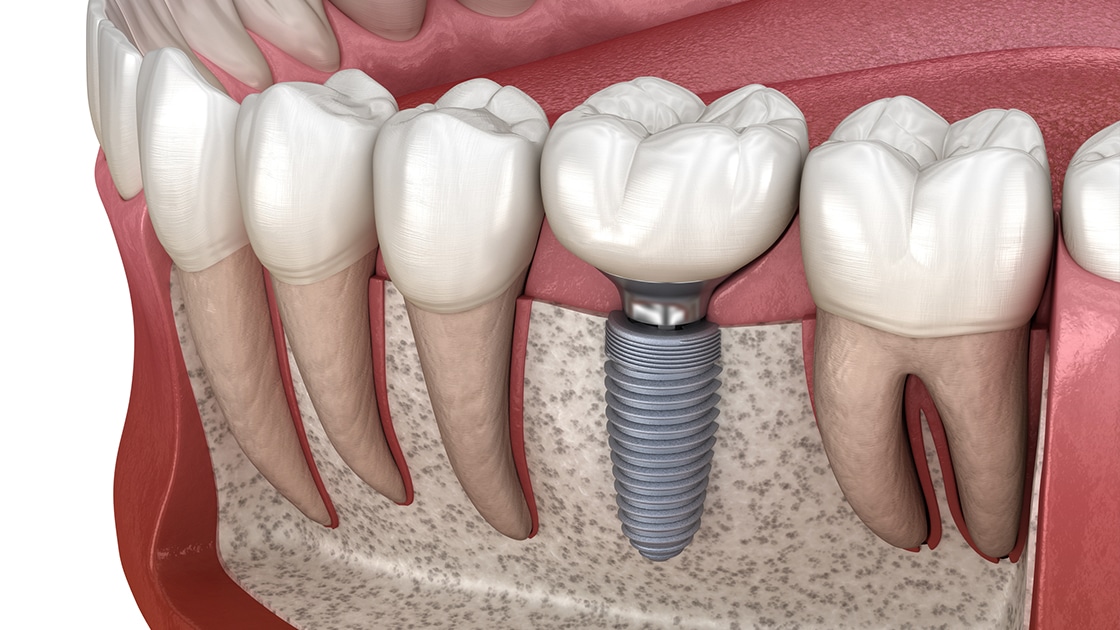
- Implant-Supported Bridges: As the name suggests, these are supported by dental implants rather than crowns or frameworks.
How Long Do Dental Bridges Last?
The longevity of a dental bridge is influenced by several factors, including oral hygiene, the materials used, and the location in the mouth. On average, dental bridges can last anywhere from 5 to 15 years or longer with proper care. Regular dental check-ups and maintaining good oral hygiene are crucial for maximizing the lifespan of a dental bridge. Learn about our tailored solutions to ensure the longevity and effectiveness of dental bridges.
What Are the Benefits of Dental Bridges?
- Improved Appearance: Dental bridges help restore the natural appearance of a smile, boosting confidence.
- Enhanced Chewing Function: They provide the necessary support for chewing, allowing for a more varied diet.
- Speech Improvement: Missing teeth can affect speech, and bridges can help in restoring clear pronunciation.
- Preventing Teeth Shifting: By filling the gap left by missing teeth, bridges prevent remaining teeth from shifting out of position.
For further insights into the benefits and applications of dental bridges, explore advanced guides and tips provided by dental experts.
How to Care for Dental Bridges?
Proper care is essential for maintaining the integrity and appearance of dental bridges. Here are some tips to ensure they remain in good condition:
- Brush twice a day with fluoride toothpaste to remove plaque and prevent decay.
- Use floss designed for dental bridges or interdental brushes to clean between the bridge and the gums.
- Rinse with an antibacterial mouthwash to reduce the risk of gum disease.
- Visit the dentist regularly for professional cleanings and check-ups.
To learn more about maintaining dental bridges effectively, discover expert strategies here.
Are Dental Bridges Suitable for Everyone?
While dental bridges are a suitable option for many, they may not be appropriate for everyone. Certain conditions, such as compromised oral health or insufficient supporting teeth, may require alternative treatments. A thorough dental evaluation is necessary to determine the best course of action for each individual. Explore advanced guides and tips for understanding candidacy for dental bridges.
For those considering dental bridges, understanding the various aspects, from types to maintenance, is crucial. This article provides a foundational knowledge to help make informed decisions about dental health solutions.
