Effective Fibroid Treatment Services Offered
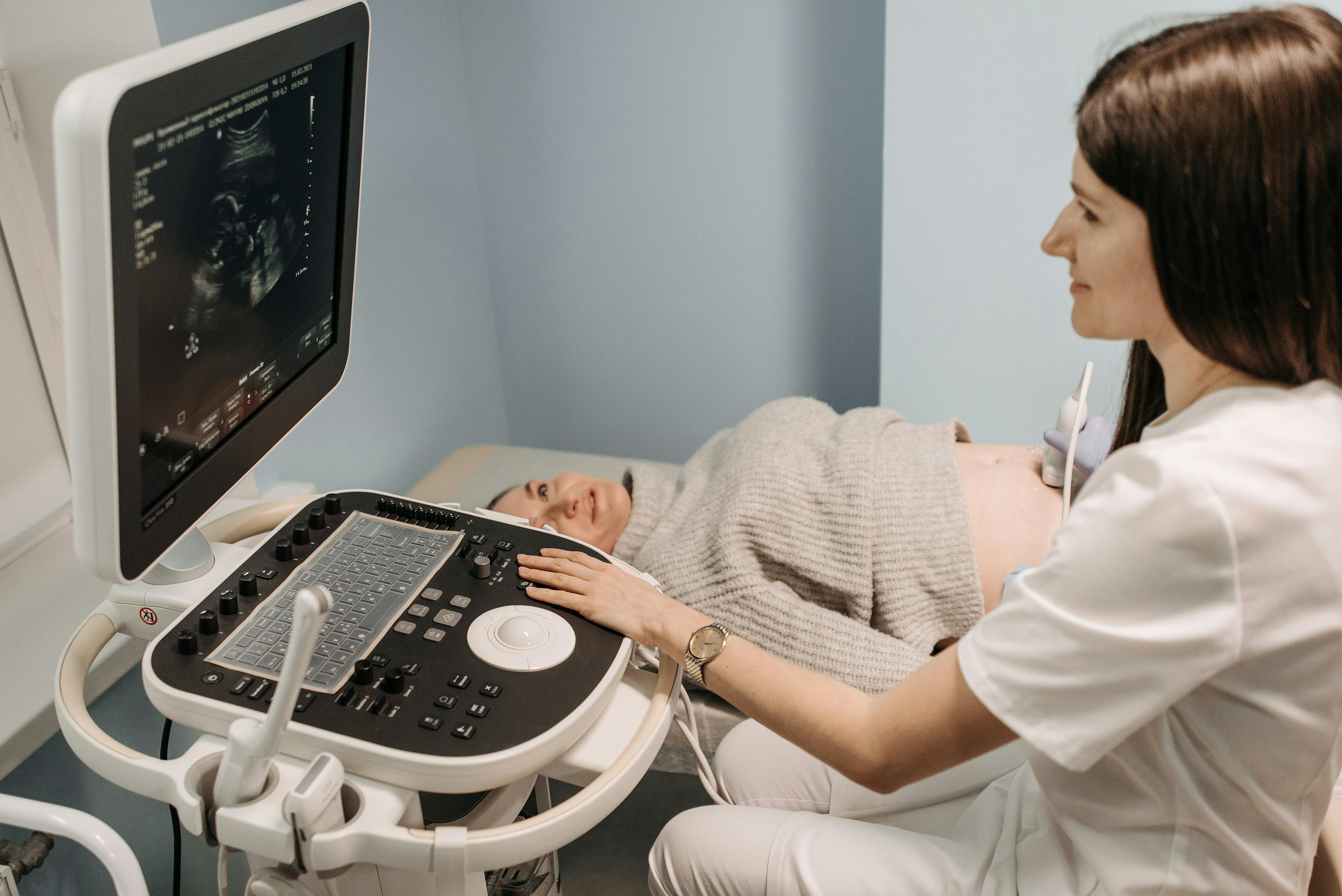
Uterine fibroids affect millions of individuals worldwide, often leading to heavy menstrual bleeding, pelvic pain, and reproductive challenges. Choosing the right treatment pathway requires a clear understanding of available options, their efficacy, and the expertise behind each procedure. Modern fibroid management blends minimally invasive technologies with personalized care plans, ensuring optimal outcomes while preserving quality of life. For those seeking comprehensive information, Discover expert strategies here. provides a reliable foundation for informed decision-making.
Non-Surgical Management Options
When fibroids are small or symptoms are mild, medication and watchful waiting may be appropriate. These approaches aim to control growth, alleviate symptoms, and reduce the need for invasive procedures.
- Gonadotropin-releasing hormone (GnRH) agonists: Temporarily shrink fibroids by inducing a hypo-estrogenic state.
- Selective progesterone receptor modulators (SPRMs): Balance hormonal influences to lessen bleeding and pain.
- Tranexamic acid and NSAIDs: Provide symptomatic relief for heavy bleeding and cramping.
- Regular monitoring: Ultrasound or MRI follow-up to assess fibroid size and symptom progression.
For a deeper dive into medication-based strategies, Learn about our tailored solutions. offers detailed guidance on selecting the most suitable regimen.
Surgical and Minimally Invasive Interventions
When fibroids cause significant discomfort or impact fertility, procedural treatment becomes necessary. Advances in technology have expanded the range of options, allowing for targeted therapy with reduced recovery time.
Uterine Artery Embolization (UAE)
UAE blocks the blood supply to fibroids, causing them to shrink while preserving the uterus. It is performed by interventional radiologists under imaging guidance.
- Effective for fibroids up to 10″?cm.
- Recovery typically within 1-2 weeks.
- Potential to maintain future pregnancy, though outcomes vary.
Further information on embolization techniques can be found at Explore advanced guides and tips.
Magnetic Resonance-Guided Focused Ultrasound (MRgFUS)
MRgFUS uses high-frequency sound waves to thermally ablate fibroid tissue without incisions. Real-time MRI ensures precise targeting.
- Outpatient procedure with minimal discomfort.
- Preserves uterine integrity.
- Best suited for well-defined, non-calcified fibroids.
Patients interested in this cutting-edge option may Find out more about this approach.
Myomectomy
Myomectomy surgically removes fibroids while leaving the uterus intact, making it the preferred choice for those desiring future pregnancies.
- Can be performed via laparoscopic, hysteroscopic, or open abdominal techniques.
- Recovery varies from 2 weeks (laparoscopic) to 6 weeks (open).
- Recurrence risk exists; follow-up imaging is essential.
Comprehensive resources on myomectomy planning are available through Discover expert strategies here.
Hysterectomy
For individuals with severe symptoms or extensive fibroid burden, hysterectomy, complete removal of the uterus, offers a definitive cure.
- Approaches include vaginal, laparoscopic, and robotic-assisted surgery.
- Eliminates the risk of fibroid recurrence.
- Requires thorough counseling regarding fertility implications.
Guidelines on selecting the appropriate surgical route can be accessed at Learn about our tailored solutions.
Choosing the Right Treatment Pathway
Decision-making should incorporate fibroid size, location, symptom severity, reproductive goals, and overall health. A multidisciplinary evaluation, often involving gynecologists, interventional radiologists, and fertility specialists, ensures that each factor is weighed appropriately.
- Symptom assessment: Quantify bleeding, pain, and impact on daily activities.
- Imaging review: MRI or high-resolution ultrasound to map fibroid architecture.
- Reproductive intent: Prioritize uterus-preserving options when pregnancy is planned.
- Medical comorbidities: Evaluate cardiovascular, hormonal, and metabolic status before invasive procedures.
For a structured framework that guides patients through these considerations, Explore advanced guides and tips. provides a step-by-step decision tree.
Post-Treatment Care and Long-Term Monitoring
Regardless of the chosen modality, follow-up care is critical to ensure lasting success and to detect any recurrence early.
- Schedule imaging at 3-month intervals during the first year.
- Maintain a symptom diary to track menstrual changes or pain.
- Adopt lifestyle measures, regular exercise, balanced diet, and stress reduction, to support hormonal balance.
- Consider adjunctive therapies, such as hormonal IUDs, for residual bleeding control.
Detailed post-procedure protocols and patient education materials are available at Find out more about this approach.
Conclusion
Effective fibroid treatment hinges on a personalized blend of medical insight, technological advancement, and patient-centered care. By understanding the spectrum of options, from medication and embolization to myomectomy and hysterectomy, individuals can align treatment with their health goals and lifestyle preferences. Reliable resources, such as those provided by leading specialists, empower patients to navigate this complex landscape with confidence and clarity.
