Enhance Your Dental Experience with Sedation Dentistry
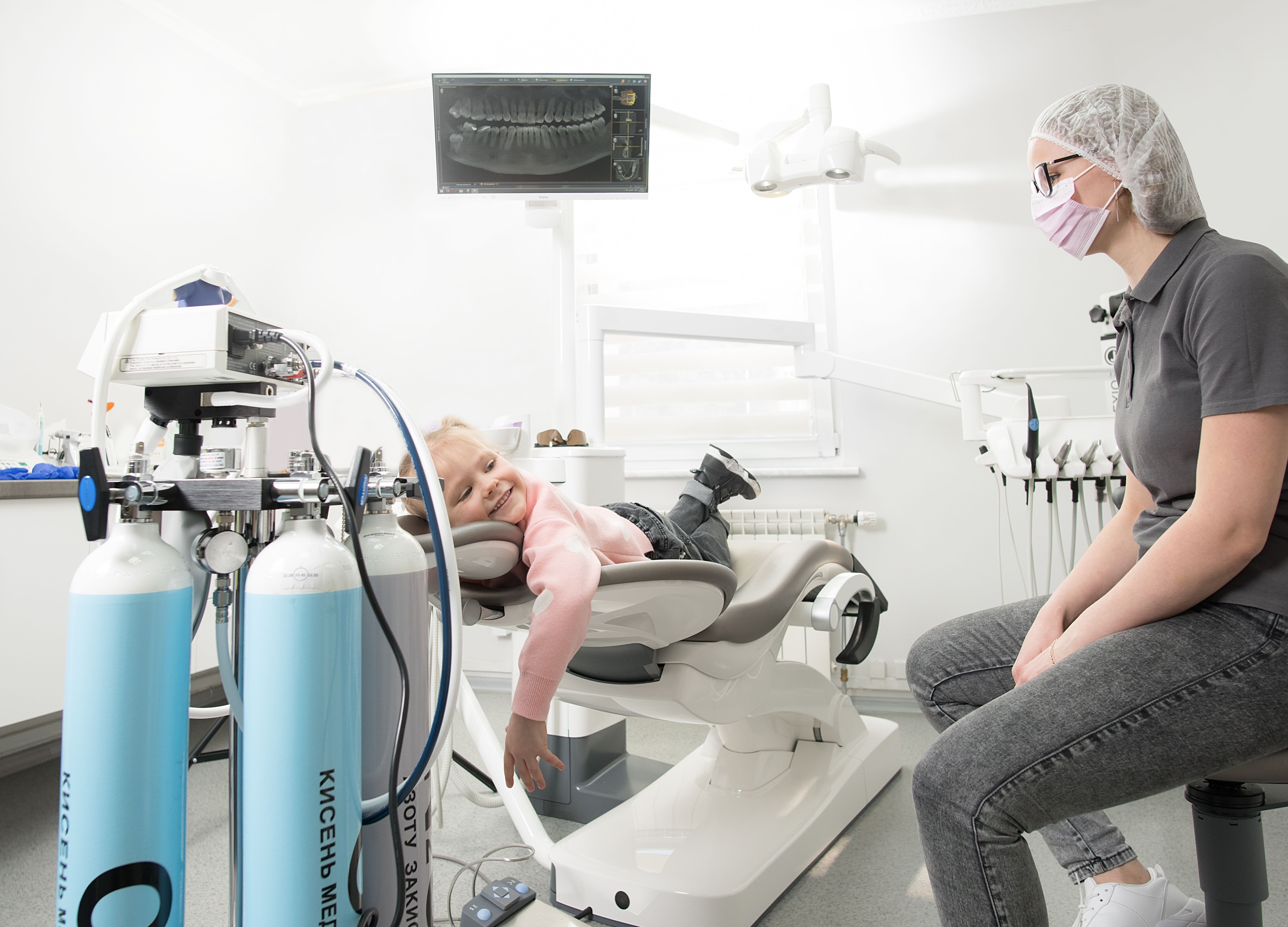
Visiting the dentist can be a daunting experience for many, especially children who may feel anxious or fearful. Sedation dentistry offers a viable solution to ease these concerns and enhance the overall dental experience. By providing a relaxed environment, sedation dentistry ensures that patients receive the care they need without the associated stress. This approach is particularly beneficial for children, as it helps them build positive associations with dental visits from an early age. Understanding the different types of sedation and its benefits can lead to a more informed choice in dental care.
Understanding Sedation Dentistry
Sedation dentistry involves the use of medication to help patients relax during dental procedures. It is a safe and effective way to manage anxiety and discomfort, making dental visits more pleasant and stress-free. There are various levels of sedation used in dentistry, each tailored to meet the specific needs of the patient.
Types of Sedation
There are several types of sedation used in dentistry, each offering different levels of relaxation:
- Minimal Sedation: Patients are awake but feel relaxed and calm.
- Moderate Sedation: Also known as conscious sedation, this level allows patients to remain awake but with reduced awareness of the procedure.
- Deep Sedation: Patients are on the edge of consciousness but can still be awakened if needed.
- General Anesthesia: Patients are completely unconscious and do not feel any pain during the procedure.
For more detailed information on sedation options, find out more about this approach.
Benefits of Sedation Dentistry
Sedation dentistry offers numerous benefits that contribute to a more comfortable and efficient dental experience:
- Reduced Anxiety: Patients feel calmer and more at ease, which is particularly beneficial for those with dental phobia.
- Pain Management: Sedation helps in managing pain effectively during dental procedures.
- Time Efficiency: Complex procedures can be completed in fewer visits, as sedation allows for longer appointments without discomfort.
- Improved Cooperation: Especially in children, sedation can help in gaining better cooperation during treatments.
To learn more about how sedation dentistry can enhance your dental visits, explore advanced guides and tips.
Who Can Benefit from Sedation Dentistry?
Sedation dentistry is not limited to children; it is beneficial for a wide range of patients, including:
- Individuals with high levels of dental anxiety or phobia.
- Patients with a low pain threshold or sensitive teeth.
- Individuals with a strong gag reflex that makes dental procedures uncomfortable.
- Children who may struggle to cooperate during dental visits.
- Patients who require extensive dental work in a single appointment.
For more personalized information, learn about our tailored solutions.
Preparing for Sedation Dentistry
Proper preparation can enhance the effectiveness of sedation dentistry. Consider the following steps:
- Consult with a qualified dentist to determine the appropriate level of sedation.
- Discuss any medical conditions and medications to ensure safe sedation practices.
- Follow pre-appointment instructions, such as fasting or avoiding certain medications.
- Arrange for transportation to and from the appointment, as driving post-sedation is not recommended.
To effectively prepare for a sedation dentistry experience, discover expert strategies here.
Conclusion
Sedation dentistry provides an invaluable solution for those who experience anxiety or discomfort during dental visits. By understanding the different types of sedation and their benefits, patients and caregivers can make informed decisions about their dental care. This approach not only improves the overall dental experience but also fosters positive attitudes towards dental health. For further insights and support, explore advanced guides and tips.
