Exploring Infant Sensory Play: Engaging Activities for Babies
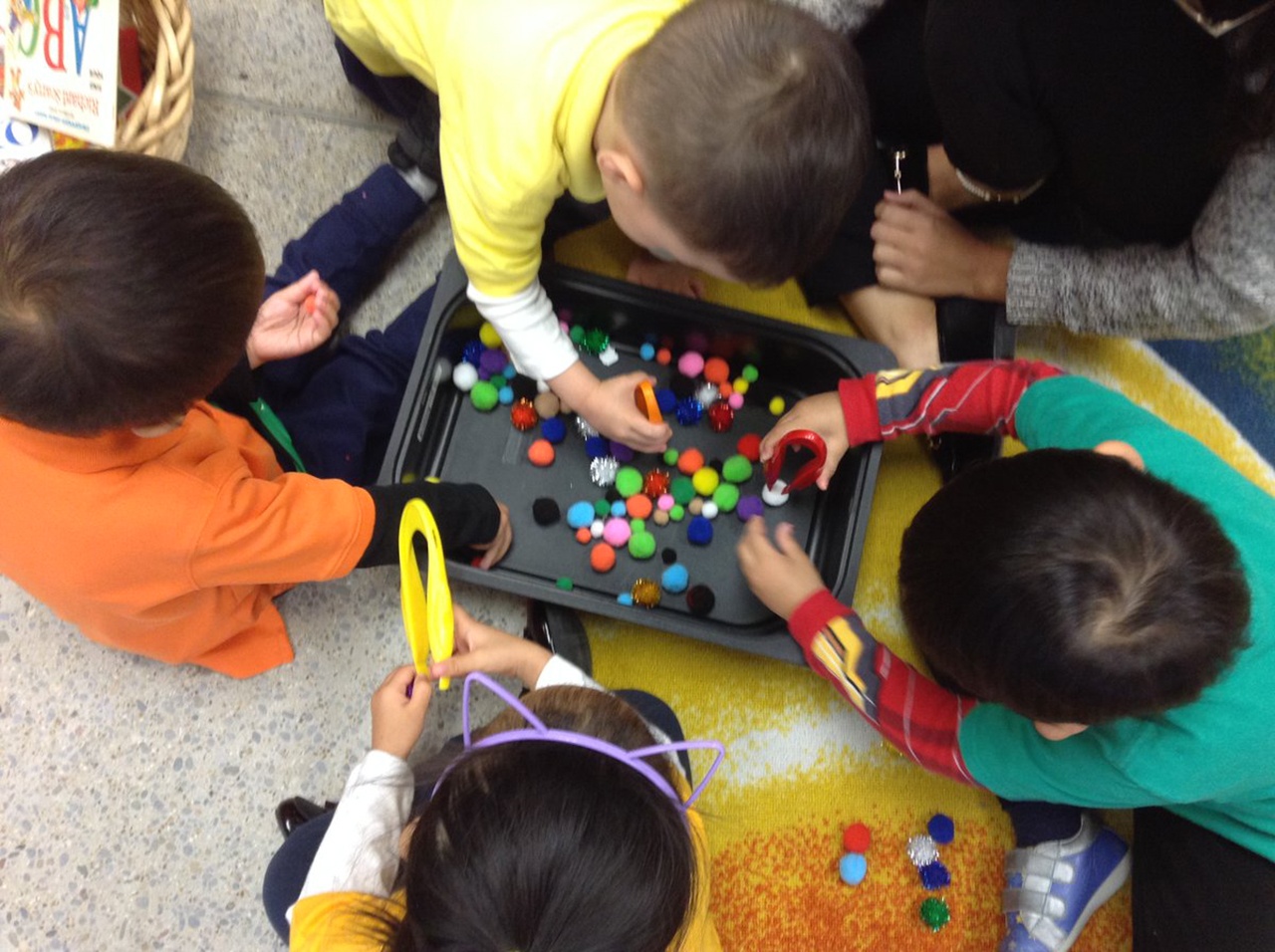
In the delightful journey of early childhood, sensory play emerges as a fundamental aspect of an infant’s development. This playful exploration of textures, sounds, and sights not only captivates a baby’s attention but also fosters essential cognitive, physical, and emotional growth. Parents and caregivers can enhance this experience by incorporating a variety of stimulating activities that cater to the developmental needs of babies. Through thoughtfully crafted environments and activities, infants can explore their world safely, igniting curiosity and laying the foundation for lifelong learning.
The Importance of Sensory Play
Sensory play is crucial in the early developmental stages as it helps infants learn about the world through their senses. Engaging in sensory activities:
- Enhances cognitive development by encouraging problem-solving skills.
- Supports fine and gross motor skills as babies grasp, touch, and manipulate objects.
- Stimulates language development through exposure to new vocabulary and sounds.
- Promotes social interaction and emotional regulation.
Explore advanced guides and tips on how sensory play supports early childhood development.
Engaging Sensory Activities for Infants
Tactile Exploration
Babies experience the world primarily through touch. Providing varied textures can greatly enrich their sensory experiences. Consider the following activities:
- Texture Boards: Create boards with different materials such as sandpaper, silk, sponge, and cotton for babies to feel and explore.
- Soft and Hard Objects: Introduce toys with contrasting textures to help infants distinguish between smooth and rough surfaces.
Learn about our tailored solutions for creating tactile-rich environments.
Visual Stimulation
Visual stimuli are essential for developing an infant’s eyesight and focus. Activities that incorporate vibrant colors and patterns can be particularly beneficial:
- Black and White Cards: Present high-contrast cards to stimulate visual tracking in young infants.
- Colorful Mobiles: Hang mobiles with bright colors and interesting shapes above cribs to engage babies? vision.
Find out more about this approach to visual learning in infants.
Auditory Experiences
Sound plays a critical role in developing auditory skills. Introducing a variety of sounds through playful activities can enhance auditory processing:
- Musical Instruments: Simple instruments like rattles and tambourines can encourage rhythm awareness.
- Storytelling: Reading aloud and singing help with language development and emotional bonding.
Discover expert strategies here for incorporating sound into daily routines.
Creating a Safe Sensory Environment
Safety is paramount when engaging in sensory play. Here are some tips to ensure a safe environment:
- Supervise all sensory play activities to prevent choking hazards.
- Use non-toxic, age-appropriate materials and toys.
- Regularly check toys and materials for wear and tear.
Explore advanced guides and tips on setting up safe sensory play areas.
Conclusion
Sensory play is an invaluable tool in nurturing a child’s development. By engaging infants in a variety of sensory activities, caregivers can stimulate their learning and growth in a safe and enjoyable manner. Understanding the importance of each sensory experience can guide the integration of these activities into everyday routines, laying a strong foundation for the child’s future development.
