Go Green with Eco-Friendly Vertical Garden Solutions
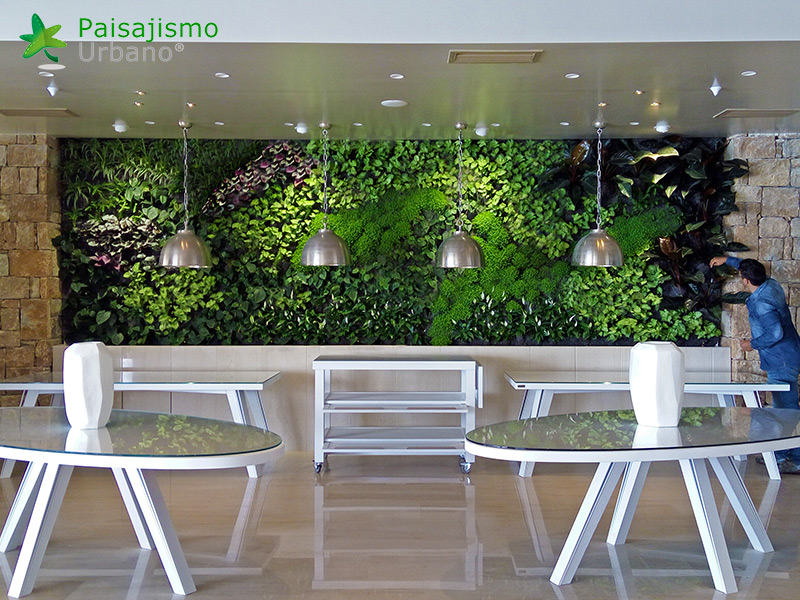
In an era where environmental sustainability is becoming a critical focus, eco-friendly solutions are gaining traction across various domains. Vertical gardens are not only an aesthetically pleasing addition to urban spaces but also a significant step towards greener living. This article delves into the myriad benefits of vertical gardens and how they contribute to an eco-friendly lifestyle.
Understanding Vertical Gardens
Vertical gardens, also known as living walls or green walls, are a form of gardening that utilizes vertical space to grow plants. These gardens can be installed on the interior or exterior walls of buildings, offering innovative solutions to space constraints in urban environments.
Advantages of Vertical Gardens
Vertical gardens offer numerous benefits that make them an appealing choice for eco-conscious individuals:
- Space Efficiency: They maximize limited space, making it possible to grow plants in areas where traditional gardening is not feasible.
- Improved Air Quality: Plants naturally filter pollutants from the air, enhancing the air quality and reducing carbon footprints.
- Temperature Regulation: Green walls provide natural insulation, helping to regulate indoor temperatures and reduce the need for artificial heating or cooling systems.
- Noise Reduction: The dense foliage of vertical gardens can act as a sound barrier, reducing noise pollution in urban settings.
- Aesthetic Appeal: They add a unique visual element to any space, enhancing its aesthetic value and promoting a sense of tranquility.
Learn more about how vertical gardens contribute to sustainable living here.
Eco-Friendly Vertical Garden Solutions
When considering vertical gardens as an eco-friendly solution, there are several factors to keep in mind to ensure sustainability:
Materials and Design
- Recycled Materials: Opt for structures made from recycled or sustainable materials to minimize environmental impact.
- Efficient Irrigation Systems: Utilize drip irrigation systems to conserve water and ensure that plants receive adequate moisture without wastage.
- Native Plant Selection: Choose native plants that are adapted to local climates, reducing the need for excessive water and maintenance.
Explore further insights into sustainable vertical garden designs here.
Maintenance Practices
Maintaining a vertical garden involves sustainable practices to ensure its longevity and ecological benefits:
- Organic Fertilizers: Use organic fertilizers to promote healthy plant growth while avoiding harmful chemicals.
- Regular Pruning: Routine pruning helps manage plant growth and encourages a thriving ecosystem within the garden.
- Integrated Pest Management: Implement natural pest control methods to protect plants and reduce chemical usage.
Find additional information on maintaining eco-friendly vertical gardens here.
Conclusion
Vertical gardens offer a compelling solution to urban environmental challenges, combining aesthetic appeal with tangible ecological benefits. As cities continue to grow, integrating green walls into urban planning can significantly contribute to sustainable development goals. By prioritizing eco-friendly materials and practices, vertical gardens can transform urban landscapes into vibrant, sustainable ecosystems.
Read more about this topic and its impact on urban sustainability in this detailed guide.
