The Ultimate Guide to Buying Creatine Supplements
Creatine is one of the most researched and widely used performance-enhancing ingredients in the fitness world. Whether the goal is to increase strength, improve muscular endurance, or simply support overall training capacity, a high-quality creatine supplement can make a noticeable difference. With countless brands, forms, and price points on the market, choosing the right product can feel overwhelming. This guide breaks down the essential factors to consider, explains the science behind the most popular forms, and offers practical tips for selecting a supplement that aligns with individual needs and budget.
Understanding Creatine: How It Works
Creatine is a naturally occurring compound stored in skeletal muscle as phosphocreatine. During high-intensity activities, phosphocreatine donates a phosphate group to ADP, rapidly regenerating ATP – the primary energy currency of the cell. This process allows athletes to sustain short bursts of maximal effort, such as sprinting or heavy lifting, for longer periods.
Key Benefits
- Increased maximal strength and power output
- Enhanced muscle volume through water retention and protein synthesis
- Improved recovery between sets and training sessions
- Potential cognitive benefits in demanding mental tasks
Popular Forms of Creatine
While several variants exist, three forms dominate the market:
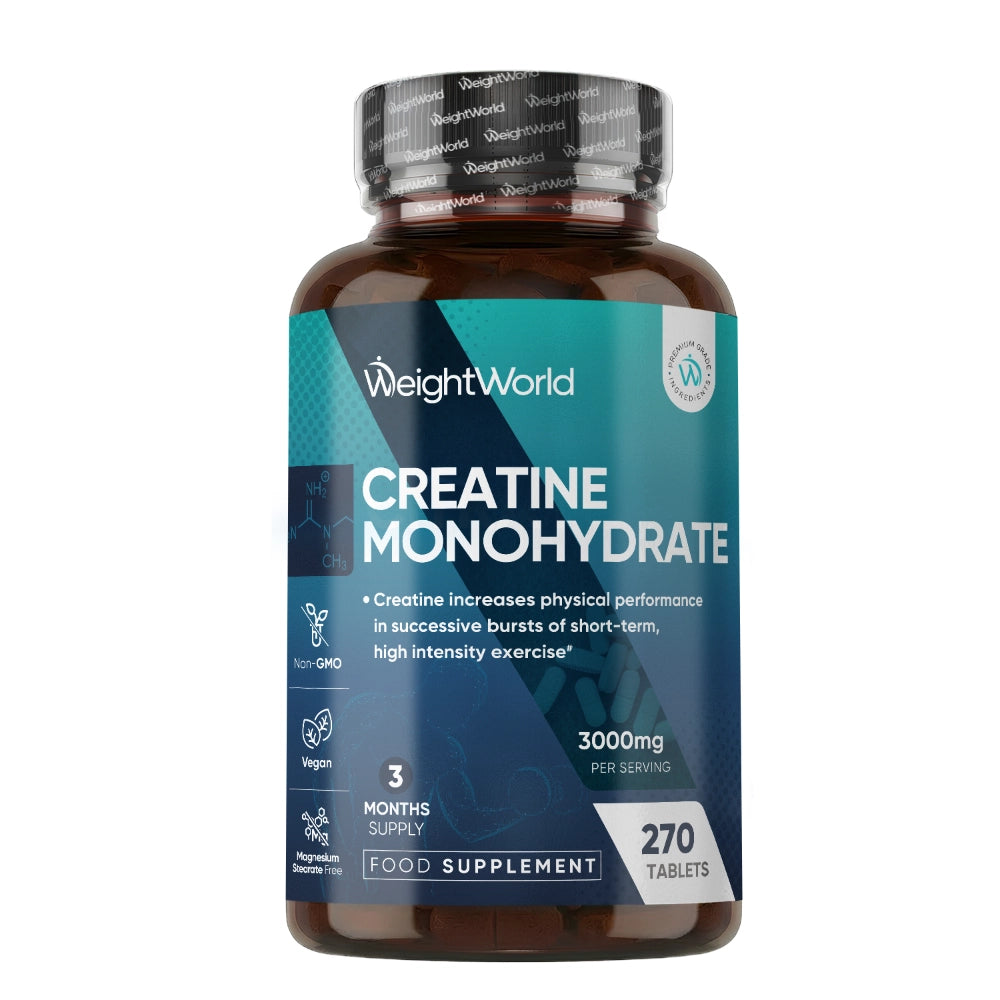
Creatine Monohydrate
The gold standard for efficacy and safety. It is inexpensive, well-studied, and consistently delivers performance gains when taken at the recommended dosage of 3-5″?g per day.
Creatine HCl (Hydrochloride)
Marketed for better solubility, allowing smaller doses (1-2″?g) to achieve similar effects. Some users report fewer gastrointestinal issues, though scientific evidence is limited compared to monohydrate.
Buffered Creatine (e.g., Kre-Alkalyn)
Claims to remain stable at higher pH levels, reducing conversion to creatinine. Research does not consistently support superior performance over monohydrate, but it remains a popular choice for those seeking alternative textures.
Factors to Evaluate When Buying Creatine
Choosing the right supplement involves more than just picking a brand. Consider the following criteria to ensure safety, efficacy, and value.
- Purity and Testing: Look for products that provide third-party testing (e.g., Informed-Sport, NSF). Certificates of analysis confirm the absence of contaminants and accurate labeling.
- Formulation: Pure creatine monohydrate powders are typically the most cost-effective. If flavor or mixability is a priority, micronized or flavored blends may be preferable.
- Dosage Guidance: Reputable manufacturers include clear dosing instructions, often recommending a loading phase (20″?g/day split into 4 doses for 5-7 days) followed by a maintenance phase (3-5″?g/day).
- Packaging: Airtight, resealable containers protect the product from moisture, which can degrade creatine into creatinine.
- Price per Serving: Calculate the cost per gram of active creatine. Bulk purchases usually lower the per-serving price, but ensure the product remains within its shelf life.
How to Choose the Right Type for Your Goals
Different training objectives may influence the preferred form of creatine.
Strength & Power Athletes
Creatine monohydrate remains the top choice due to its proven impact on maximal strength and power output. Pairing it with a structured resistance program maximizes gains.
Endurance & High-Volume Training
While creatine is traditionally associated with short-duration efforts, it can also support repeated high-intensity intervals within endurance sessions. A daily maintenance dose without a loading phase often suffices.
Individuals Sensitive to Digestive Issues
For those who experience bloating with monohydrate, trying a micronized version or a low-dose creatine HCl may provide a smoother experience.
Practical Tips for Optimal Use
- Take creatine with a carbohydrate-rich beverage or meal to enhance uptake via insulin-mediated pathways.
- Stay consistently hydrated; creatine draws water into muscle cells, increasing overall fluid requirements.
- Maintain a regular supplementation schedule, effects accumulate over weeks, not days.
- Combine with a well-balanced diet rich in protein to support muscle protein synthesis.
Where to Purchase Quality Creatine
Choosing a reputable retailer helps guarantee product integrity. Many specialized nutrition stores offer a curated selection of tested supplements, often accompanied by detailed product descriptions and user reviews. When ready to make a purchase, consider browsing a trusted collection of vetted options to buy creatine that meets the criteria outlined above.
Conclusion
Creatine’s reputation as a safe, effective, and affordable performance aid is well deserved. By understanding the science, evaluating product quality, and aligning the supplement form with personal goals, athletes and fitness enthusiasts can harness its benefits with confidence. Whether opting for classic monohydrate or an alternative formulation, consistency and proper dosing remain the cornerstones of success. Armed with the information in this guide, selecting the right creatine supplement becomes a straightforward decision that supports long-term training objectives.
