Ultimate Guide to Choosing the Best Turmeric Supplement
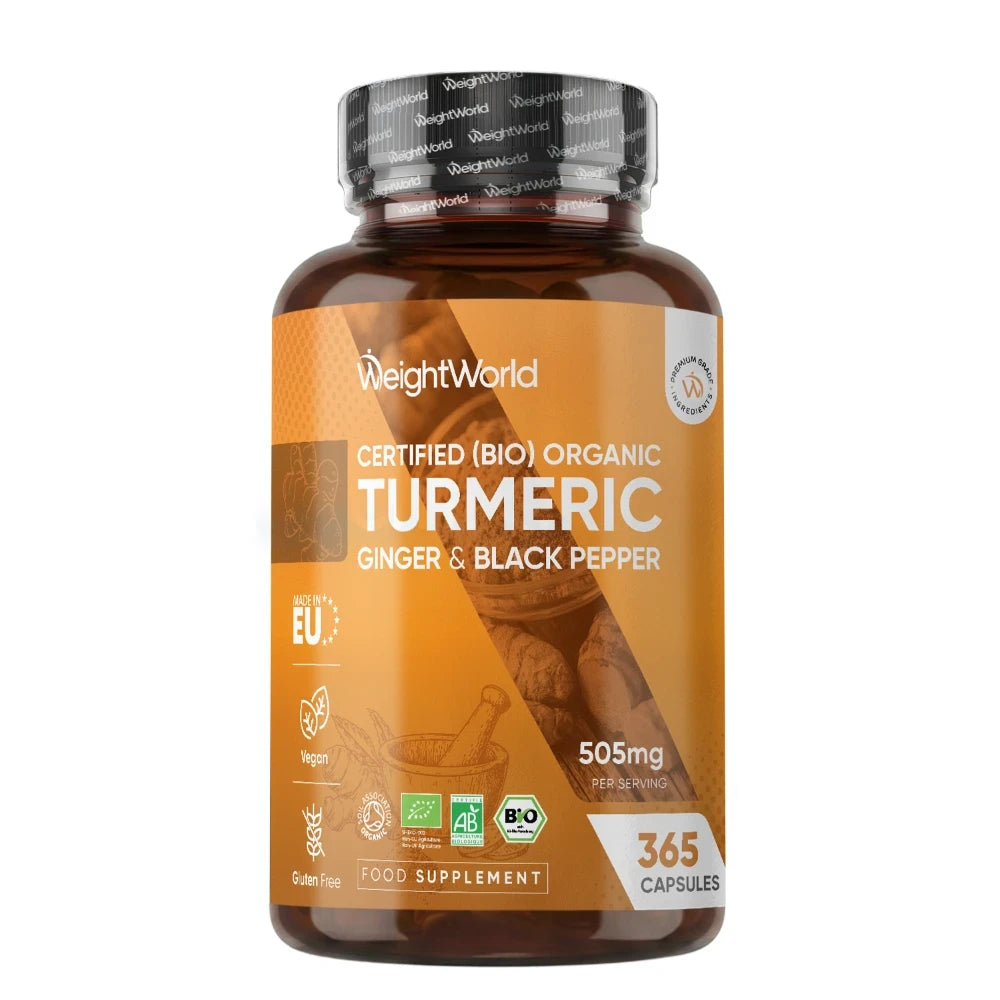
Turmeric has moved from a kitchen spice to a widely studied nutraceutical, prized for its anti-inflammatory and antioxidant properties. With a surge of products on the market, selecting a high-quality supplement can feel overwhelming. This guide breaks down the essential factors, potency, bioavailability, purity, and third-party testing, so you can confidently choose a supplement that delivers the health benefits backed by scientific research.
Understanding Curcumin: The Active Compound
Curcumin is the primary bioactive component of turmeric. While the whole root contains many beneficial compounds, curcumin is responsible for most of the anti-inflammatory and antioxidant effects studied in clinical trials.
- Standardized extracts: Look for supplements that guarantee a specific percentage of curcuminoids, typically 95%.
- Synergistic ingredients: Black pepper extract (piperine) or phospholipid complexes dramatically improve absorption.
- Dosage range: Research commonly uses 500″?mg to 2″?g of curcumin per day, divided into two doses.
Key Factors to Evaluate When Choosing a Turmeric Supplement
1. Bioavailability Enhancements
Curcumin is poorly absorbed on its own. Effective supplements employ one or more of the following technologies:
- piperine (black pepper extract): Increases absorption by up to 2,000%.
- Micelle or liposomal delivery: Encapsulates curcumin in fat-soluble particles for better intestinal uptake.
- Phytosome?? or Meriva?? complexes: Bind curcumin to phosphatidylcholine, mimicking natural digestion pathways.
2. Purity and Ingredient Transparency
High-quality products disclose every ingredient and avoid unnecessary fillers. Consider these points:
- Non-GMO, gluten-free, and dairy-free formulations are ideal for sensitive individuals.
- Organic turmeric root ensures minimal pesticide residue.
- Third-party certifications (e.g., USP, NSF) provide additional confidence.
3. Dosage Consistency
Reliable supplements deliver a consistent amount of curcumin per serving. Check the label for:
- Exact milligram count of standardized curcumin per capsule or tablet.
- Clear instructions on daily serving size.
- Whether the product uses a “full-spectrum” approach that includes other curcuminoids.
4. Manufacturing Standards
Good Manufacturing Practice (GMP) compliance indicates that the product is produced in a controlled environment, reducing the risk of contamination.
How to Verify Quality: Practical Steps
- Read the label carefully: Look for “95% curcuminoids” and a listed bioavailability enhancer.
- Check third-party test results: Many brands publish certificates of analysis (COA) on their websites.
- Research the brand’s reputation: Long-standing companies with transparent sourcing are generally more trustworthy.
- Compare pricing per active dose: The cheapest option may lack essential enhancers, while the most expensive isn’t always the best.
Potential Benefits Supported by Research
When taken at an appropriate dose, curcumin may contribute to:
- Reduced joint discomfort and improved mobility.
- Support for healthy inflammatory responses.
- Enhanced antioxidant defenses that protect cells from oxidative stress.
- Maintenance of healthy blood sugar levels in conjunction with a balanced diet.
Choosing the best turmeric supplement for Your Lifestyle
Everyone’s health goals and dietary restrictions differ. Use the following checklist to match a product to your needs:
| Criteria | What to Look For |
|---|---|
| Maximum absorption | Contains piperine, phytosome, or micelle technology. |
| Allergen concerns | Free from gluten, dairy, soy, and artificial additives. |
| Budget | Calculate cost per 500″?mg of curcumin; aim for consistent dosing. |
| Transparency | Provides COA and clear ingredient sourcing. |
Safety Considerations and Contra-Indications
Turmeric is generally safe for most adults, but keep these points in mind:
- High doses may interfere with blood-thinning medications.
- Pregnant or nursing individuals should consult a healthcare professional before supplementing.
- People with gallbladder disease should avoid large amounts of curcumin.
Final Thoughts
Choosing a high-quality turmeric supplement hinges on understanding bioavailability, purity, and transparent manufacturing. By focusing on standardized curcumin content, proven absorption enhancers, and third-party testing, you can select a product that aligns with scientific evidence and personal health goals. Incorporate the supplement consistently, pair it with a balanced diet, and monitor how your body responds. With the right choice, turmeric can become a valuable ally in supporting inflammation management, joint health, and overall vitality.
