European Meat Sustainability: A Growing Concern
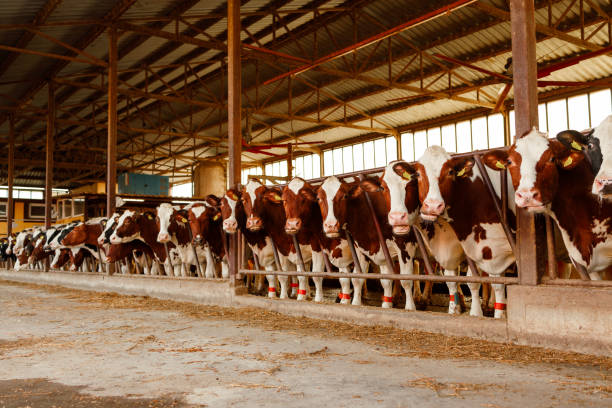
European meat production is at a crossroads. Growing consumer awareness, tightening environmental regulations, and mounting scientific evidence about the sector’s carbon footprint have turned sustainability from a peripheral concern into a central strategic priority. Across the continent, producers, policymakers, and research institutions are grappling with how to balance the cultural and economic importance of meat with the urgent need to reduce greenhouse-gas emissions, protect biodiversity, and preserve natural resources. This article examines the key drivers behind the sustainability debate, outlines the most impactful measures currently being adopted, and highlights emerging innovations that could reshape the future of European meat supply chains.
Why Sustainability Matters for European Meat
Meat production accounts for a significant share of Europe’s agricultural emissions. According to recent assessments, livestock contributes roughly 15″?% of the EU’s total greenhouse-gas output, with cattle and sheep being the largest emitters. Beyond climate change, intensive livestock systems can lead to:
- Excessive water consumption and contamination of waterways through runoff.
- Loss of habitat and reduced biodiversity due to land-use change.
- Antimicrobial resistance linked to routine antibiotic use.
Addressing these issues is not merely an environmental imperative; it also safeguards market access, as many export partners now require demonstrable sustainability credentials. For stakeholders seeking concrete guidance, Discover expert strategies here.
Regulatory Landscape Shaping the Sector
The European Union has introduced a suite of policies aimed at curbing the environmental impact of livestock. Key initiatives include:
- EU Farm to Fork Strategy – sets targets for reducing nutrient losses, improving animal welfare, and cutting emissions by 2030.
- Common Agricultural Policy (CAP) reforms – link subsidies to climate-friendly practices such as agro-forestry and low-input grazing.
- Carbon Border Adjustment Mechanism (CBAM) – may impose charges on imported meat with higher carbon footprints.
These regulations create both challenges and opportunities. Producers who adapt early can benefit from financial incentives and avoid future penalties. Detailed guidance on navigating the policy framework is available through resources like Learn about our tailored solutions.
Effective Sustainability Practices
Feed Optimization
Improving the quality and composition of animal feed can dramatically lower methane emissions. Strategies include:
- Incorporating legumes and oilseed meals to reduce reliance on imported soy.
- Adding feed additives such as seaweed extracts that inhibit methanogenesis.
- Implementing precision feeding systems that match nutrient supply to animal needs.
Manure Management
Manure is both a valuable fertilizer and a potent source of nitrous oxide. Best practices involve:
- Separating solid and liquid fractions for targeted application.
- Using anaerobic digestion to capture biogas for on-farm energy.
- Applying manure based on soil testing to avoid over-application.
Extensive Grazing and Landscape Integration
Integrating livestock with natural ecosystems supports carbon sequestration and biodiversity. Examples include:
- Rotational grazing that mimics natural herd movements.
- Maintaining hedgerows and buffer strips to protect waterways.
- Combining livestock with agro-forestry to create multi-functional landscapes.
For a deeper dive into these techniques, Explore advanced guides and tips.
Innovation Driving the Next Generation of Sustainable Meat
Technology is accelerating the transition toward lower-impact production. Notable developments include:
- Genomic selection – breeding animals with higher feed efficiency and lower methane output.
- Digital twins – virtual models that simulate farm operations, enabling precise resource management.
- Alternative proteins – cultivated meat and plant-based analogues that reduce pressure on traditional livestock.
While alternative proteins are still emerging, they are increasingly viewed as complementary to conventional meat, offering consumers more sustainable choices without compromising culinary traditions. Industry analyses suggest that integrating these innovations could cut the sector’s carbon intensity by up to 30″?% by 2040. Additional insights are available at Find out more about this approach.
Future Outlook and Strategic Recommendations
Achieving long-term sustainability will require coordinated action across the entire value chain. The following recommendations provide a roadmap for stakeholders:
- Adopt a lifecycle perspective – evaluate environmental impacts from feed production to end-of-life disposal.
- Invest in data-driven decision making – leverage sensors, satellite imagery, and AI to monitor emissions in real time.
- Engage consumers through transparent labeling – certifications that communicate carbon footprints build trust and market differentiation.
- Collaborate with research institutions – joint projects accelerate the development of low-emission breeds and novel feed additives.
- Align business models with EU policy trajectories – early alignment reduces compliance risk and unlocks funding opportunities.
By embedding these practices, the European meat sector can maintain its cultural relevance while meeting the climate objectives set for 2030 and beyond. The transition will be gradual, but the momentum is unmistakable, and the tools needed to succeed are already within reach.
For comprehensive support and up-to-date resources on sustainable meat production, interested parties are encouraged to explore the dedicated platform at Discover expert strategies here. This hub consolidates scientific research, policy updates, and practical case studies, making it a valuable reference for anyone committed to responsible meat production in Europe.
